

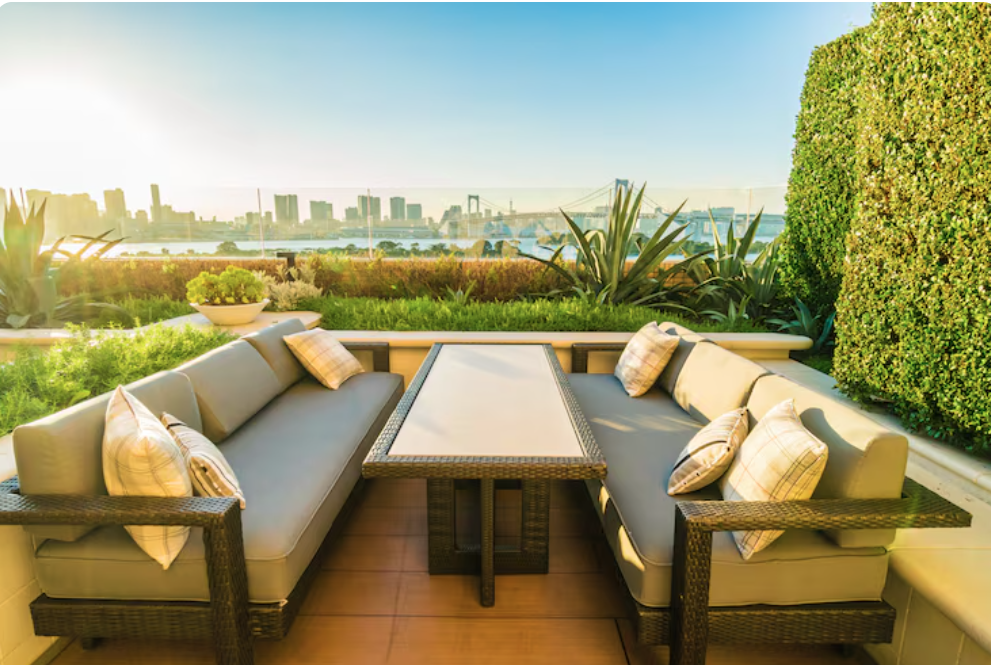
A property should offer more than attractive rooms and an impressive exterior. The way a building uses energy, manages water, handles waste, and provides natural comfort can affect everyday expenses and long-term usability. At profixspace.com, readers can explore practical real-estate guidance for understanding property features that support more responsible building choices. Green building does not always mean expensive technology, because thoughtful design and sensible maintenance can also make a meaningful difference.
Understand Sustainable Building Design
Sustainable building design considers how a property uses resources throughout its useful life. This includes construction materials, energy consumption, water demand, indoor comfort, and the maintenance required to keep systems working properly. A building designed around these factors may reduce waste while offering a more comfortable environment for occupants.
Not every environmentally focused feature suits every location. A design that works well in a cool region may create problems in a hot climate if ventilation and shading are poorly planned. Building choices should reflect local weather, available resources, construction methods, and the needs of the people who will use the space.
Buyers should also distinguish useful features from broad marketing claims. Terms such as green, eco-friendly, and energy efficient can describe different things depending on the property. Ask for specific information about installed systems, expected performance, operating requirements, and available documentation before treating a claim as proof.
Make Better Use Of Daylight
Natural daylight can reduce the need for artificial lighting during suitable hours. Window placement, room orientation, skylights, and interior finishes all influence how daylight reaches living and working areas. Good planning can make rooms feel brighter without requiring unnecessary electrical use.
However, large windows are not automatically better in every climate. Direct sunlight may increase indoor heat, create glare, or reduce comfort during warmer months. Shading, curtains, suitable glazing, and thoughtful orientation can help balance daylight with temperature control.
During a property visit, observe the rooms at different times if possible. Check whether natural light reaches the areas used most often and whether the windows create uncomfortable glare. A bright room should still provide privacy, practical furniture placement, and comfortable conditions throughout the day.
Improve Energy Efficiency
Energy efficiency depends on the building envelope, appliances, lighting, ventilation, and the way occupants use the property. Efficient lighting and suitable appliances can reduce electricity demand without requiring major structural changes. Better insulation and careful sealing may also help maintain comfortable indoor temperatures where those measures suit the local climate.
Buyers should ask which energy-saving features are actually installed. A property may include efficient lighting but still lose substantial energy through poorly sealed windows or an unsuitable cooling system. Reviewing the complete building matters more than judging one feature in isolation.
Where available, compare energy information for similar properties and consider the likely cost of operating essential equipment. Energy use changes with occupancy, weather, appliance choices, and personal habits, so no single estimate guarantees future bills. The purpose is to understand likely performance and identify improvements that offer practical value.
Choose Water-Saving Features
Water-efficient fittings can reduce unnecessary consumption while maintaining normal household convenience. Low-flow taps, suitable shower fittings, efficient flush systems, and leak-resistant plumbing may help limit water use. Their effectiveness depends on installation quality, maintenance, and the habits of people using them.
Check whether taps close properly and whether toilets continue running after flushing. Small leaks may appear insignificant, but repeated waste can increase bills and place additional demand on local supplies. Repairs should address the cause rather than simply hiding visible signs of leakage.
Rainwater collection may also be useful where local conditions and regulations support it. The system needs suitable storage, filtration or treatment where required, and proper arrangements for overflow. Do not assume that collected water is safe for drinking without appropriate treatment and testing.
Consider Solar Energy Options
Solar systems can provide electricity or support water heating, depending on the technology installed. Their suitability depends on roof access, sunlight exposure, equipment quality, installation cost, maintenance, and local utility arrangements. Shading from nearby buildings or trees may reduce output and affect the expected financial benefit.
Before buying a property with solar equipment, ask whether the system is owned outright, leased, or subject to another arrangement. Confirm the equipment’s age, warranty terms, service history, and any relevant approvals. If the system connects to the electricity grid, understand the applicable connection and billing rules.
Do not judge a solar system only by the number of panels visible on the roof. Installation quality, inverter condition, electrical safety, and actual energy production matter as well. A qualified technician can help assess whether the system is functioning properly and whether future replacement costs should be expected.
Use Suitable Building Materials
Construction materials influence durability, indoor comfort, maintenance needs, and environmental impact. Materials sourced responsibly and suited to local conditions may offer practical advantages over options chosen only for appearance. Their performance depends on quality, installation, exposure to weather, and compatibility with the rest of the building.
For example, roofing materials should suit the local climate and provide appropriate protection against heat, rain, and wind. Exterior finishes need to withstand expected weather conditions without requiring constant repairs. Interior materials should also be suitable for the rooms where they are installed, particularly where moisture or frequent cleaning is expected.
Recycled or locally sourced materials may reduce certain environmental impacts, but their quality still needs careful evaluation. Ask about durability, maintenance requirements, and relevant product information rather than assuming every alternative material performs well. A practical building choice should balance environmental considerations with safety, cost, and long-term usefulness.
Create Better Indoor Air
Indoor air quality affects comfort in homes, offices, and other occupied buildings. Dust, moisture, cleaning products, and poorly maintained ventilation systems can influence the indoor environment. Good airflow and appropriate source control can help reduce common problems.
Check whether rooms have suitable ventilation and whether bathrooms or kitchens have working extraction systems where needed. Air-conditioning equipment should receive maintenance according to its instructions, including appropriate filter cleaning or replacement. A system that is rarely serviced may circulate dust or perform less effectively.
Avoid covering ventilation openings or storing materials where they restrict airflow. Persistent condensation, musty smells, or recurring damp patches may indicate a problem that needs investigation. If the cause is unclear or affects a large area, seek qualified advice rather than relying entirely on fragrance products or surface cleaning.
Plan Waste Management Carefully
Buildings generate waste during construction, renovation, and ordinary daily use. A practical waste plan can make it easier to separate recyclable materials, manage general rubbish, and reduce unnecessary disposal. The best approach depends on local collection services and the types of waste produced.
Apartment complexes and commercial properties should provide clear arrangements for shared waste areas. Bins need suitable placement, regular collection, and enough space for the expected volume. Poorly maintained waste areas can create odours, attract pests, and make shared spaces unpleasant.
During renovation, ask contractors how construction debris will be collected and removed. Materials should not be left in shared corridors or disposed of in ways that violate local rules. Planning waste handling before work begins can prevent delays and reduce unnecessary mess around the property.
Check Building Certification Claims
Some buildings carry environmental certifications or ratings that assess defined aspects of design and performance. These systems can help buyers understand how a property compares against a particular standard, but their meaning depends on the scheme and the scope of assessment. Certification should not replace an independent inspection of the actual property.
Ask which organization issued the rating and whether the certification applies to the complete building or only certain components. Check whether the documentation is current and what performance areas were evaluated. If the project makes specific claims about energy or water savings, request supporting information.
A building without formal certification may still include useful sustainable features. Conversely, a certified building can require maintenance or contain areas that do not meet an individual buyer’s preferences. Consider the evidence, the property’s current condition, and the expected running costs together.
Compare Long-Term Value
Green building features should be evaluated through their practical benefits rather than appearance alone. Lower utility use, improved comfort, reduced maintenance, and better durability may contribute to long-term value. However, the initial cost of an upgrade can outweigh its benefits when the system is unsuitable or poorly maintained.
Ask for realistic information about installation expenses, service needs, expected lifespan, and replacement parts. Where reliable usage data is available, compare it with similar buildings while accounting for differences in occupancy and weather. Avoid relying on savings estimates that have no clear basis.
The right decision depends on how the property will be used and how long the owner expects to keep it. A feature that provides value for a long-term resident may be less useful to someone planning to move soon. Compare both upfront costs and continuing benefits before deciding which improvements deserve priority.
Conclusion
Green building features can support more comfortable spaces and more responsible resource use when they are selected carefully. Natural daylight, efficient equipment, water-saving fittings, suitable materials, and effective ventilation each offer possible benefits. Their value depends on installation quality, local conditions, maintenance, and the actual needs of occupants. When evaluating a property, look beyond marketing claims and ask for practical evidence that helps you make an informed real-estate decision.
Read also :-