

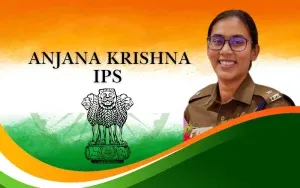
Police services play an important role in keeping everyday life safe, organised, and peaceful for people across India. officersdetails.com helps readers explore information about officers, their responsibilities, and the work they perform in public service. An Indian Police Service officer has duties that go beyond managing police stations or supervising investigations, because the job also involves leadership, planning, public communication, and responsible decision-making. People often see police officers during emergencies, traffic problems, or major public events, but many important responsibilities happen away from public attention. These responsibilities can influence how quickly complaints are handled, how resources are used, and how citizens experience police services in their local areas. Understanding this work gives readers a clearer picture of the challenges involved in modern policing.
Building Better Public Services
A well-functioning police department needs more than a large number of officers and vehicles. It also needs clear procedures, practical leadership, suitable training, and a working understanding of local problems. IPS officers may supervise police units, review operational performance, coordinate with other departments, and help senior authorities decide how resources should be distributed. Their responsibilities vary according to their posting, rank, and the requirements of the state or central organisation where they serve. In some positions, they focus on district-level policing, while other assignments involve specialised units, intelligence work, training institutions, or administrative planning. Each role has different priorities, so an officer must understand the actual needs of the organisation before making decisions. Good administration can reduce confusion among teams and help police personnel complete their duties more consistently. It also supports a workplace where responsibilities are understood instead of being passed between different offices without clear ownership.
Understanding Local Community Needs
Police work becomes more effective when officers understand the people and communities they serve. Every district has its own combination of social conditions, road networks, economic activity, public gathering places, and recurring safety concerns. An area with busy markets may require different arrangements from a rural region with widely separated villages. IPS officers need reliable information from local police stations, field personnel, community representatives, and other public departments to understand these differences. Regular reviews can help identify locations where complaints are increasing or where people struggle to access police assistance. Community meetings may also give residents a chance to explain concerns that are not always visible in official reports. Listening to people does not mean agreeing with every demand, because police decisions must still follow the law. However, respectful communication can help officers understand problems earlier and explain why certain actions are necessary. This approach can improve cooperation without replacing professional investigation or proper legal procedures.
Improving Complaint Handling Systems
A citizen who approaches the police often wants a clear answer about what happens next. Delays, confusing instructions, or repeated visits can create frustration, particularly when someone is already dealing with a difficult situation. IPS officers can help improve complaint handling by reviewing procedures, checking whether staff follow applicable rules, and identifying unnecessary administrative delays. The exact process depends on the nature of the complaint and the relevant legal requirements, so every matter cannot follow an identical timeline. Serious allegations may require immediate attention, while other concerns might need preliminary checks or referral to the appropriate authority. Officers can encourage better record keeping and clearer communication so that complaints do not disappear between different desks. Digital systems may support this work when they are maintained properly and used by trained staff. Technology alone cannot guarantee fair treatment, however, because people still need responsible officials who examine information carefully and take appropriate action. A dependable complaint process should make the next steps understandable while protecting confidentiality where required.
Managing Police Resources Wisely
Police departments work with limited time, personnel, vehicles, equipment, and financial resources. Decisions about these resources can affect response times, patrol coverage, emergency preparedness, and the workload placed on individual teams. IPS officers involved in administration may review staffing requirements, examine operational reports, and identify areas where existing arrangements need improvement. Resource planning should consider local conditions instead of relying only on general assumptions about population or workload. For example, a crowded commercial area may require different patrol arrangements during working hours, weekends, or major public events. Officers must also consider whether personnel have suitable equipment and whether vehicles can reach the places where assistance is needed. Regular maintenance matters because equipment that looks available on paper may not function properly during an emergency. Transparent planning and proper documentation can help departments explain how resources are assigned. Better management does not always require purchasing more equipment, since some improvements come from organising existing resources more effectively.
Coordinating During Public Emergencies
Emergencies require quick decisions, accurate information, and cooperation between several public agencies. Flooding, severe weather, major accidents, building fires, and other incidents can create situations where police responsibilities overlap with those of disaster management teams, medical services, and local administration. IPS officers assigned relevant responsibilities may help coordinate police deployment, maintain public order, support evacuations, and communicate operational information to senior authorities. Their exact role depends on the incident and the legal or administrative arrangements in place. Preparation before an emergency is just as important as decisions made during the event. Departments may conduct drills, review emergency contact systems, and identify locations where access could become difficult. Clear instructions help personnel understand their duties when normal routines suddenly change. After an incident, reviewing what happened can reveal communication failures, equipment shortages, or procedures that need improvement. The purpose of these reviews should be practical learning and better preparedness, rather than simply producing paperwork after the immediate danger has passed.
Supporting Safer Public Events
Large public events require planning because crowds can create challenges involving movement, traffic, access, and emergency response. Religious gatherings, festivals, sporting events, political meetings, and public celebrations may attract people from several locations at the same time. Police officers must consider entry and exit routes, nearby roads, emergency access, and arrangements for communicating important instructions. IPS officers may supervise planning or coordinate with local authorities when an event requires a broader operational response. The plan should match the size, location, expected attendance, and specific risks associated with the gathering. Officers also need to consider how their arrangements affect ordinary residents, shopkeepers, commuters, and people who need emergency services. Poorly communicated restrictions can create unnecessary confusion even when the original safety concern is genuine. Public announcements, suitable signage, and trained personnel can make instructions easier to understand. Once an event finishes, reviewing traffic flow, crowd movement, and reported problems can help improve arrangements for future gatherings.
Strengthening Traffic Management
Traffic management is another area where police planning can directly affect everyday public life. Congested junctions, unsafe driving, illegal parking, road accidents, and crowded market streets create problems for commuters and emergency vehicles. IPS officers responsible for relevant policing functions may review traffic data, supervise enforcement priorities, or coordinate with transport and municipal departments. Effective planning requires an understanding of when congestion occurs and which locations experience repeated problems. A road that remains clear during the morning may become heavily crowded near schools, offices, or markets later in the day. Officers can use available records and field observations to identify recurring patterns before recommending changes. Enforcement is important, but safer roads also depend on public awareness, suitable road design, clear signs, and responsible driving behaviour. Coordination with other agencies becomes necessary when a problem involves damaged roads, poor lighting, or badly positioned crossings. Reviewing accident patterns and public complaints can help authorities decide where improvements may have the greatest practical benefit.
Protecting Vulnerable Citizens
Public safety requires particular attention to people who may face additional barriers when seeking assistance. Children, older adults, people with disabilities, and individuals experiencing violence may need careful communication and appropriate support. Police officers must follow applicable laws and procedures while handling sensitive complaints, protecting privacy, and avoiding unnecessary delays. IPS officers can support better practices through supervision, training, internal reviews, and coordination with relevant support services. The precise arrangements depend on the case, the local system, and the legal responsibilities of the agencies involved. Personnel should understand when specialist assistance is needed and how to refer a person without making them repeat distressing details unnecessarily. Clear procedures can also help officers recognise situations requiring urgent intervention. Respectful treatment matters because a person who feels dismissed may hesitate to seek help again. At the same time, allegations must be examined fairly, and decisions should rely on evidence and lawful processes rather than assumptions. Public protection and procedural fairness are both necessary parts of responsible policing.
Using Technology With Care
Technology has changed how police departments collect information, communicate with teams, and manage administrative work. Digital complaint records, communication systems, traffic monitoring tools, and analytical software may help officers organise information more efficiently. However, a digital system is useful only when its information is accurate, access is controlled, and staff understand how to operate it. IPS officers involved in technology planning need to consider training requirements, maintenance costs, privacy, and the practical needs of the personnel using each system. A tool that creates complicated steps for frontline staff may slow down work instead of improving it. Digital records also require sensible security arrangements because police information can contain sensitive personal details. Access should follow authorised procedures, and information should not be treated as automatically correct merely because it appears on a computer screen. Human review remains important when decisions affect a person’s safety, rights, or legal position. Technology should support sound judgement, not replace responsibility or remove the need to check evidence carefully.
Encouraging Professional Police Leadership
Leadership in policing involves making decisions while balancing operational needs, legal duties, and public expectations. An IPS officer may need to address poor performance, resolve disagreements between teams, manage sudden changes, or explain difficult decisions to senior authorities. Good leadership requires clear instructions, consistent standards, and a willingness to examine whether decisions produced the intended result. It also involves recognising the limits of personal knowledge and consulting experienced colleagues when specialist information is needed. Officers cannot personally supervise every activity in a large department, so they must build capable teams and establish reliable reporting arrangements. Delegating work does not remove accountability, because supervisors still need to review important decisions and respond to serious concerns. Fair treatment within the department can improve communication and encourage personnel to raise operational problems before they become larger failures. Professional leadership should also discourage misuse of authority and support appropriate action when misconduct is identified. The aim is to create a service where discipline and responsibility work together instead of becoming separate priorities.
Making Accountability Meaningful
Accountability helps ensure that police powers are exercised within legal and professional boundaries. It can involve proper documentation, supervisory review, departmental procedures, and investigation of complaints about possible misconduct. IPS officers have responsibilities connected to the positions they hold, but the exact mechanisms differ across organisations and legal frameworks. A strong accountability system should make it possible to identify what happened, who made relevant decisions, and whether established procedures were followed. Records need to be accurate enough to support a fair review rather than simply demonstrate that a form was completed. When mistakes occur, the department should distinguish between genuine errors, inadequate training, poor supervision, and deliberate wrongdoing. Each situation may require a different response under applicable rules. Accountability also includes explaining decisions where disclosure is lawful and appropriate, while respecting confidentiality and the rights of people involved. Public confidence is more likely to improve when institutions deal with concerns seriously and avoid treating every complaint as an attack on the department.
Learning Through Continuous Training
Policing changes as laws, technology, public expectations, and patterns of crime continue to develop. Training therefore cannot end after an officer completes the initial preparation required for service. IPS officers may participate in or oversee programmes involving leadership, investigation, cyber-related offences, emergency planning, communication, and administrative responsibilities. Training needs should be identified from actual work challenges rather than from fashionable topics alone. A course becomes more useful when participants can apply its lessons to realistic situations and understand how the procedures operate in practice. Supervisors can also review recurring mistakes to identify areas where additional instruction may be needed. Experienced personnel bring valuable knowledge, but established habits should still be examined when better methods become available. Training should encourage careful judgement, respect for legal requirements, and appropriate treatment of the public. Departments also need to consider whether staff have enough time and support to use new skills after completing a programme. Consistent learning can help officers adapt without losing sight of the basic duties of their service.
Working Across Government Departments
Many public safety problems cannot be solved by police action alone. Issues involving road infrastructure, illegal construction, disaster preparedness, public health emergencies, and crowded public spaces may require several government departments to work together. IPS officers may coordinate with district administration, municipal authorities, transport officials, emergency services, or other relevant agencies. Good coordination depends on clear responsibilities and reliable communication, especially when several organisations are responding to the same problem. If every department assumes that another team will take the next step, even a manageable issue can remain unresolved. Joint meetings can help clarify duties, but practical follow-up is equally important. Officers should record agreed actions, identify responsible teams, and review whether the arrangements are working as expected. Information sharing must still respect legal restrictions and privacy requirements. Cooperation does not mean that one department can transfer all responsibility to another, because each agency remains accountable for its own duties. When coordination works well, the public can receive a more organised response to problems that cross departmental boundaries.
Preparing For Future Challenges
Police departments will continue to face changing demands as cities expand, communication habits evolve, and new forms of offending emerge. Officers may need to respond to online fraud, misinformation-related public concerns, changing traffic patterns, and emergencies influenced by weather or infrastructure failures. IPS officers in leadership positions must evaluate these challenges without assuming that every new problem requires the same solution. Reliable information, staff preparation, suitable equipment, and cooperation with other agencies remain important across different situations. Departments should also review whether existing procedures are still practical and consistent with current legal requirements. Future planning becomes stronger when it includes feedback from personnel who carry out daily duties and residents who experience local services directly. New ideas should be tested carefully, with attention to cost, effectiveness, and possible unintended consequences. A modern police service needs the ability to adapt, but change should remain connected to public safety, lawful authority, and responsible use of resources.
Conclusion
IPS officers contribute to public safety through administration, leadership, coordination, professional supervision, and careful decision-making across many different assignments. Their work can influence how police departments handle complaints, prepare for emergencies, manage resources, support vulnerable citizens, and maintain accountability. However, effective policing depends on more than the decisions of senior officers, because frontline personnel, partner agencies, and members of the public also play important roles. Clear procedures, useful training, responsible technology, and honest reviews can help departments improve their everyday performance. Readers who want to learn more about police officers, their service responsibilities, and related public information can explore officersdetails.com for further reading. Continue learning about the people and systems involved in public service, and use reliable information to build a better understanding of modern policing.
Read also :-