

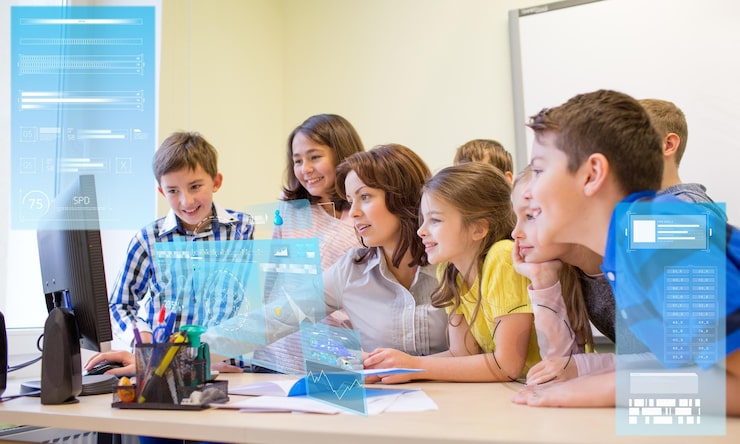
Skill Development Courses have become essential for students aiming to gain practical knowledge and prepare for future careers. With rapidly changing job markets and evolving industry demands, these courses provide targeted learning opportunities that go beyond traditional classroom education.
Importance of Skill Development Courses in Modern Education
In today’s educational landscape, Skill Development Courses are more than optional—they are a necessity. Students benefit from programs that enhance critical thinking, problem-solving, communication, and digital literacy.
For example, a student enrolled in coding or robotics courses develops analytical thinking and technical skills that are immediately applicable in real-world projects. These courses complement academic studies by bridging the gap between theory and practice.
Soft Skills Enhancement Through Targeted Programs
One of the major focuses of Skill Development Courses is the improvement of soft skills. Programs designed around communication, teamwork, leadership, and time management prepare students for professional environments.
Consider a group of students participating in public speaking workshops. They not only gain confidence in presenting ideas but also learn how to collaborate and listen actively, enhancing their overall employability.
Technical Skills and Industry Readiness
Technical skill-building is another crucial component of Skill Development Courses. Courses in coding, data analysis, graphic design, and digital marketing equip students with competencies required by modern employers.
Real-life examples show that students who complete specialized tech courses often secure internships and freelance opportunities even before graduation. These courses provide hands-on experience, making learners job-ready.
Integration of Online Platforms in Skill Development Courses
The advent of online learning has significantly expanded access to Skill Development Courses. Platforms like Coursera, Udemy, and LinkedIn Learning offer a diverse range of modules, allowing students to learn at their own pace.
Interactive videos, quizzes, and project-based learning methods engage students more effectively than traditional lectures. This flexibility is particularly beneficial for those balancing academics with extracurricular activities.
Project-Based Learning and Practical Exposure
Project-based learning is a central strategy in Skill Development Courses. Students work on real-life projects that require them to apply learned concepts, enhancing retention and practical understanding.
For instance, a digital marketing course might involve developing a complete marketing campaign for a local business. This hands-on approach allows students to experience industry practices while building a strong portfolio.
Career-Oriented Programs and Internships
Many Skill Development Courses are designed with direct career outcomes in mind. Partnering with industry professionals and companies, these programs provide internships and mentorship opportunities.
Students who participate in these programs gain insights into workplace culture, industry standards, and career pathways. This exposure is invaluable in making informed career choices and establishing professional networks early.
Soft Skill Certifications Boost Student Profiles
Certifications obtained from Skill Development Courses significantly enhance student profiles. Recognized credentials in leadership, communication, coding, or digital marketing demonstrate competence and initiative to prospective employers.
For example, a student with a certified project management course can confidently apply for internships requiring organizational and managerial skills, gaining a competitive edge over peers.
Enhancing Creativity and Innovation
Courses focusing on creative skills are an emerging trend within Skill Development Courses. Programs in design thinking, creative writing, arts, and entrepreneurship foster innovation and out-of-the-box thinking.
Students participating in these courses often develop solutions to real problems creatively, enhancing both their academic projects and potential startup ideas. Educators report higher engagement and satisfaction among students who explore creativity-driven programs.
Lifelong Learning and Adaptability
One of the most significant benefits of Skill Development Courses is instilling the habit of lifelong learning. As industries evolve rapidly, students trained in continuous skill acquisition remain adaptable and resilient.
For example, learning data analysis today allows a student to quickly transition to AI-related roles in the future. Skill development cultivates a mindset where learning does not end with graduation but continues throughout life.
Global Exposure Through Collaborative Courses
Many Skill Development Courses now include global collaborations, exposing students to international perspectives. Virtual exchange programs, global competitions, and cross-border projects allow learners to understand cultural nuances and global industry trends.
This exposure broadens student horizons, improves communication skills, and encourages collaboration across diverse teams—a valuable asset in today’s interconnected world.
Future Outlook for Students Engaging in Skill Development Courses
The future of education is increasingly centered on skill acquisition. Students who invest time in Skill Development Courses gain practical expertise, confidence, and a competitive advantage.
Whether it’s coding, leadership, creativity, or technical skills, these courses prepare learners to navigate complex professional environments successfully. The integration of technology, project-based learning, and industry exposure ensures that students are not only academically accomplished but also career-ready.
Read also:
