

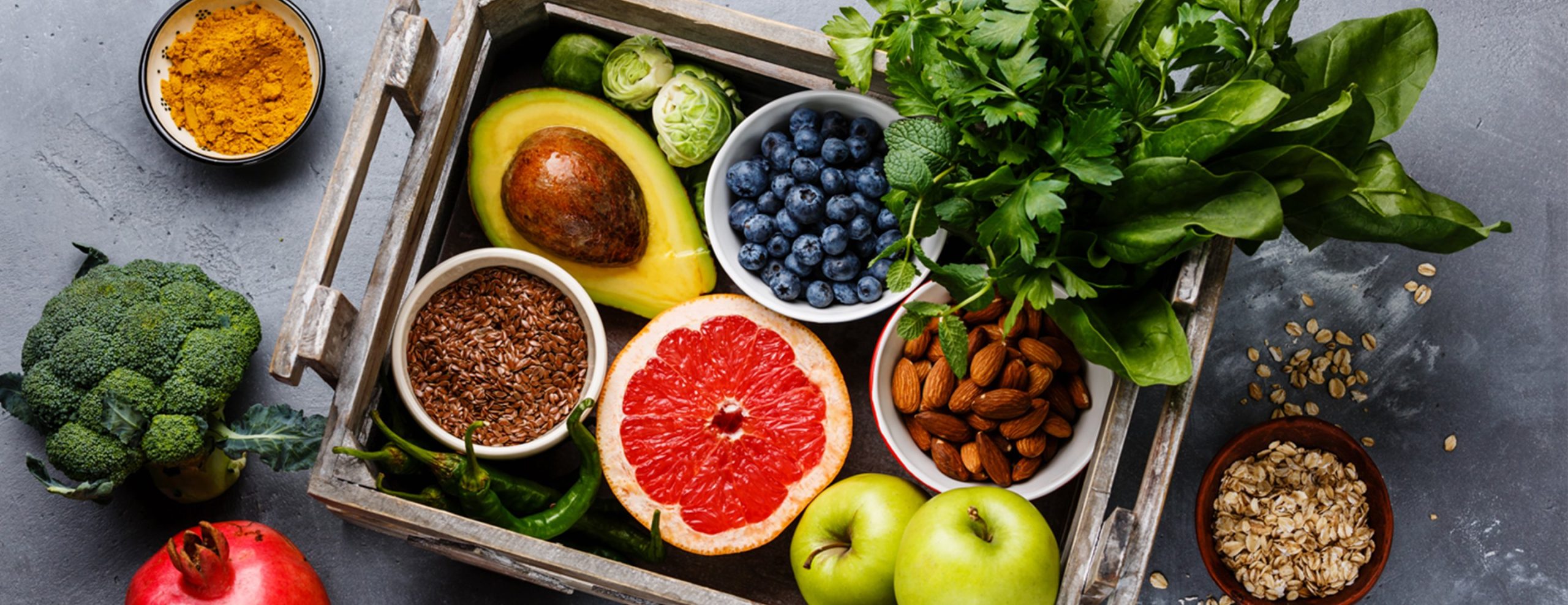
Introduction to Healthy Nutrition Food
A growing number of people are becoming more conscious of what they consume, driven by rising health concerns and a desire to live longer, more energetic lives. Healthy nutrition food is the foundation of well-being. It provides the energy the body needs to function daily while supporting organ systems, immune responses, and even mood stability. Unlike fast food or processed snacks, nutritious options offer lasting benefits far beyond mere calorie intake.
Healthy nutrition food is not a modern trend; it has deep roots in traditional diets that prioritized natural ingredients, seasonal produce, and home-cooked meals. Today, with the science of nutrition providing concrete evidence, the advantages of eating mindfully have never been clearer. From managing weight to reducing the risk of chronic diseases, the impact is undeniable.
What Makes Food Nutritious?
At its core, healthy nutrition food is defined by its nutrient density. Foods that are high in vitamins, minerals, antioxidants, and dietary fiber—while being low in saturated fats, added sugars, and artificial additives—fit this definition. Examples include leafy greens, whole grains, nuts, seeds, lean proteins, and fresh fruits. These foods are not only filling but also support various biological functions.
For example, vitamin C from citrus fruits enhances immune function, while calcium in dairy products strengthens bones. Whole grains such as quinoa or brown rice provide sustained energy by releasing glucose slowly into the bloodstream. Unlike simple carbohydrates found in processed foods, these complex carbs help maintain steady blood sugar levels.
Scientific research supports the consumption of such nutrient-rich foods. Studies published in journals like The American Journal of Clinical Nutrition have shown that diets high in vegetables, fruits, and lean proteins significantly reduce the risk of cardiovascular disease and type 2 diabetes.
The Role of Macronutrients in Healthy Eating
Macronutrients—proteins, carbohydrates, and fats—are essential components of healthy nutrition food. These nutrients serve different but equally important functions. Proteins are the building blocks of cells and tissues. Carbohydrates provide energy, while fats support brain health and hormone regulation.
Proteins from sources such as fish, legumes, and eggs are particularly important because they help repair body tissues and support muscle development. Including a variety of protein sources ensures that the body receives all nine essential amino acids.
Carbohydrates should not be viewed negatively. Whole grains like oats and barley are examples of healthy carbs that also offer fiber. Fiber is beneficial for digestive health and helps maintain a healthy weight by promoting satiety.
Fats are another misunderstood nutrient. Not all fats are harmful. Healthy fats found in avocados, olive oil, and fatty fish like salmon are crucial for cognitive function and inflammation control. Trans fats and excessive saturated fats, often found in junk food, are the types to be avoided.
Micronutrients That Matter
While macronutrients get most of the attention, micronutrients are equally important. These include vitamins and minerals required in small quantities but critical for various bodily functions. For instance, iron supports oxygen transport in the blood, while zinc plays a role in immune function and wound healing.
Vitamin D, often obtained through sunlight and fortified foods, supports bone health by aiding calcium absorption. B vitamins help convert food into energy and are crucial for brain function. Consuming a wide range of vegetables, fruits, and fortified grains helps meet daily micronutrient needs.
Lack of adequate micronutrients can lead to deficiencies, which can manifest as fatigue, poor immunity, or more severe health conditions. For example, iron deficiency leads to anemia, while vitamin A deficiency can impair vision.
How Healthy Nutrition Food Supports Long-Term Health
Healthy nutrition food is more than a short-term fix or a means to lose weight. Its effects are long-lasting. A diet focused on nutrient-dense foods reduces the risk of major diseases including cancer, heart disease, and stroke. It also supports longevity and improves the quality of life in older age.
Chronic inflammation is a common denominator in many diseases, and foods such as leafy greens, berries, turmeric, and nuts have anti-inflammatory properties. These foods work at the cellular level to reduce oxidative stress and free radical damage.
Additionally, gut health has emerged as a vital area of research. A well-balanced diet rich in fiber and fermented foods helps maintain a healthy gut microbiome, which in turn influences immune function, mood, and even cognitive performance.
Impact on Mental and Emotional Health
What we eat significantly affects our mental state. There is growing evidence linking healthy nutrition food with better mood, lower anxiety levels, and improved cognitive function. Diets rich in omega-3 fatty acids, found in flaxseeds and fatty fish, are associated with reduced symptoms of depression.
The gut-brain axis, a communication network between the digestive tract and the brain, is heavily influenced by diet. Consuming foods rich in probiotics like yogurt and fermented vegetables supports this connection by fostering a healthy gut environment.
Even short-term changes in diet can produce noticeable differences in energy levels and emotional well-being. Processed foods high in sugar and trans fats are linked to mood swings and fatigue, while balanced meals contribute to mental clarity and emotional stability.
Eating for Different Life Stages
Nutritional needs vary based on age, activity level, and health conditions. Children require more calcium and vitamin D for bone development, while teenagers need iron and protein to support rapid growth. Adults benefit from diets that balance all macronutrients and maintain cardiovascular health.
In older adults, metabolism slows down, and nutrient absorption may decrease. Therefore, nutrient-dense foods become even more important. Protein helps prevent muscle loss, while antioxidants combat age-related cellular damage.
Pregnancy is another phase where healthy nutrition food plays a critical role. Nutrients such as folic acid, iron, and omega-3s are essential for the development of the fetus and the health of the mother.
Global Trends in Healthy Eating
Around the world, people are shifting toward more sustainable and health-conscious food choices. Plant-based diets are becoming increasingly popular, not only for their health benefits but also for their lower environmental impact. The Mediterranean diet, rich in fruits, vegetables, whole grains, and healthy fats, is often cited as a model of healthy eating.
In Asian cultures, traditional diets that include rice, vegetables, tofu, and seafood provide excellent examples of naturally balanced meals. The focus is often on fresh ingredients, small portions, and mindful eating practices.
The rise of organic farming and local produce markets reflects a growing demand for transparency in food sourcing. People are now more informed about what goes into their food and how it affects their health.
Practical Tips to Incorporate Nutritious Foods Daily
Incorporating healthy nutrition food into everyday life can be simple with a few mindful practices. Begin by including more fresh produce in meals and reducing dependence on processed snacks. Cooking at home offers better control over ingredients and portion sizes.
Eating slowly and savoring meals improves digestion and helps recognize satiety signals. Drinking water instead of sugary beverages supports hydration without excess calories. Rotating between different fruits, vegetables, grains, and proteins ensures a diverse nutrient intake and keeps meals exciting.
Reading labels is another useful practice. Products marketed as healthy may still contain hidden sugars or unhealthy fats. Understanding ingredient lists empowers consumers to make smarter choices.
Learn More:
denver nuggets vs lakers match player stats
timberwolves vs denver nuggets match player stats
green bay packers vs philadelphia eagles match player stats
lakers vs memphis grizzlies match player stats