

Creating good food is rarely about complicated techniques or expensive ingredients. Most people who enjoy cooking at home, running a small bakery, experimenting with cakes, or managing a food business discover that consistency matters far more than perfection. Food trends change quickly, customer tastes evolve, and new recipes appear every day. Still, some practical habits continue to deliver results whether someone is baking cakes at home or serving hundreds of guests in a busy restaurant.
Starting Small At Home
Many successful home bakers begin with very basic equipment and limited space. A large kitchen is not always necessary when the focus stays on quality and organization. Keeping ingredients properly stored, measuring carefully, and maintaining cleanliness can make a noticeable difference in the final product.
A home bakery often grows through repeat customers rather than aggressive advertising. Friends, family members, and local communities frequently become the first customers. Good reviews spread naturally when products remain fresh, attractive, and consistently prepared. The foundation of a successful Home Bakery usually depends on reliability more than flashy promotions.
Working from home also allows bakers to test new products without taking major financial risks. Small batches help identify customer preferences before investing in larger production quantities.
Building Better Baking Habits
Baking requires precision that many other cooking styles do not demand. Small mistakes in ingredient measurements can affect texture, flavor, and appearance. Using accurate measuring tools saves time and reduces waste over the long term.
Temperature control remains another important factor. Ingredients that are too cold or too warm can create unexpected results. Professional bakers often pay close attention to room temperature because it influences dough development, frosting consistency, and baking performance.
Maintaining written notes helps track successful recipes. Even experienced bakers forget exact adjustments after several weeks. Detailed records create consistency and improve future batches.
The most profitable Home Bakery operations often rely on simple recipes executed extremely well rather than overly complicated creations that consume excessive time and resources.
Simple Cake Design Methods
Decorating cakes does not always require advanced artistic skills. Clean finishes, balanced colors, and neat presentation often create a stronger impression than highly complicated designs. Many customers appreciate elegant simplicity more than excessive decoration.
Basic tools such as offset spatulas, piping bags, and turntables can significantly improve decorating results. Learning a few piping techniques provides enough variety for birthdays, anniversaries, and special celebrations.
Practice remains essential. Frosting consistency, hand control, and design placement improve gradually through repetition. Professional decorators frequently spend years refining techniques that appear effortless to customers.
Many beginners become discouraged after comparing their work with experienced professionals. That comparison rarely helps because every decorator starts with imperfect results and slowly improves over time.
Popular Decoration Trends
Cake trends change regularly, yet some styles remain consistently popular. Minimalist cakes, textured buttercream finishes, floral decorations, and personalized messages continue attracting customer attention.
Color selection also plays a major role. Soft tones often appeal to wedding clients, while brighter colors work well for children’s celebrations. Understanding customer preferences allows decorators to create products that match specific occasions.
Edible decorations have become increasingly common because they combine visual appeal with practicality. Fresh fruits, chocolate elements, edible flowers, and custom toppers can enhance presentation without creating unnecessary waste.
Creative presentation adds value while keeping production costs manageable. That balance becomes particularly important for small businesses seeking profitability.
Easy Recipes For Beginners
People new to cooking often assume that good food requires advanced skills. In reality, many excellent dishes involve straightforward ingredients and simple preparation methods. Starting with uncomplicated recipes builds confidence while developing essential techniques.
Egg-based dishes, roasted vegetables, pasta meals, and simple baked goods offer excellent learning opportunities. These recipes teach fundamental cooking concepts without overwhelming beginners with unnecessary complexity.
Mistakes are part of the learning process. Overcooked vegetables or slightly under-seasoned meals provide valuable lessons that improve future results. Experience develops through repeated practice rather than perfect execution.
A practical collection of Food Recipes should include options that are affordable, accessible, and adaptable. Flexible recipes encourage experimentation and help cooks understand ingredient relationships more effectively.
Kitchen Confidence Matters
Confidence develops gradually when cooks become familiar with ingredients and cooking methods. Understanding how flavors interact makes meal preparation less stressful and more enjoyable.
Reading entire recipes before starting prevents confusion during preparation. Organizing ingredients in advance also improves efficiency and reduces mistakes. Professional kitchens rely heavily on preparation because it creates smoother workflows.
Simple knife skills contribute significantly to cooking quality. Consistent ingredient sizes promote even cooking and improve overall presentation. While advanced techniques can wait, basic cutting methods deserve early attention.
Developing comfort in the kitchen allows individuals to experiment with confidence while expanding their culinary abilities.
Restaurant Operations Behind Scenes
Customers often see only a small portion of restaurant operations. Behind the dining area, numerous systems work together to maintain quality, efficiency, and customer satisfaction.
Inventory management represents one of the most important responsibilities. Excess inventory increases waste while insufficient inventory creates service disruptions. Successful restaurants carefully balance purchasing decisions to control costs.
Communication also influences operational performance. Kitchen staff, servers, managers, and suppliers must coordinate effectively throughout each service period. Miscommunication can lead to delays, errors, and dissatisfied customers.
Strong leadership helps maintain consistency even during busy periods when pressure levels increase significantly.
Improving Kitchen Efficiency
Restaurant kitchens depend heavily on organization. Equipment placement, workflow design, and task allocation directly affect productivity. Small improvements can generate meaningful operational benefits over time.
Standardized procedures help employees perform tasks consistently. Training becomes easier when expectations remain clearly documented and regularly reinforced. Consistency supports food quality while reducing confusion among team members.
Cleaning schedules deserve equal attention. Maintaining sanitation standards protects customer health and supports regulatory compliance. Regular maintenance also extends equipment lifespan and reduces unexpected repair expenses.
Effective Restaurant management combines operational discipline with flexibility. Changing customer demands often require adjustments while maintaining service quality.
Managing Staff Successfully
Employee retention remains a significant challenge across the food industry. Training new staff repeatedly increases costs and disrupts operations. Creating positive work environments can improve retention and morale.
Clear communication encourages accountability while reducing misunderstandings. Employees perform more effectively when expectations remain transparent and achievable.
Recognition also matters. Simple appreciation for strong performance can positively influence motivation and workplace culture. While compensation remains important, respectful treatment contributes significantly to employee satisfaction.
Restaurants that prioritize teamwork frequently experience stronger customer service outcomes and improved operational stability.
Refreshing Summer Beverage Choices
Warm weather naturally increases demand for refreshing beverages. Customers often seek drinks that provide hydration while delivering enjoyable flavors. Seasonal offerings can attract attention and encourage repeat purchases.
Fresh fruit combinations remain particularly popular because they offer natural sweetness and visual appeal. Citrus fruits, berries, watermelon, and tropical ingredients frequently appear in summer beverage menus.
Balancing sweetness and acidity creates more enjoyable flavor profiles. Excessive sugar can overwhelm other ingredients and reduce refreshment value. Careful recipe development helps achieve better results.
Creative beverage presentation can enhance customer experiences while supporting brand identity and product differentiation.
Homemade Drink Preparation
Preparing beverages at home allows complete control over ingredients and flavor intensity. Fresh ingredients generally produce better results than heavily processed alternatives. Even simple combinations can create impressive drinks when properly balanced.
Infused water provides a refreshing option without excessive calories. Mint leaves, cucumber slices, citrus fruits, and berries add subtle flavor while maintaining hydration benefits.
Homemade iced teas also remain popular during warmer months. Adjusting sweetness levels according to personal preference creates a more customized experience.
The best Drinks often prioritize freshness rather than complexity. Simple recipes can deliver excellent results when quality ingredients receive proper attention.
Combining Food And Presentation
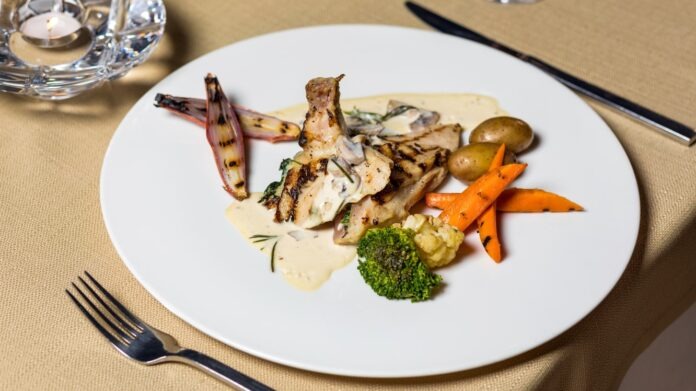
Presentation influences perception more than many people realize. Attractive food often appears more appealing before the first bite. This principle applies equally to home cooking, bakeries, and restaurants.
Plate arrangement does not need to be complicated. Clean surfaces, balanced portions, and thoughtful placement create visual appeal without excessive effort. Small adjustments frequently produce noticeable improvements.
Color contrast also enhances presentation. Combining ingredients with varying colors creates visual interest and makes dishes appear more vibrant. Fresh herbs often provide an easy finishing touch.
Successful food businesses understand that appearance complements taste rather than replacing it.
Conclusion
Success in baking, cooking, beverage preparation, and restaurant operations comes from consistent execution of fundamental principles rather than constant pursuit of complicated techniques. Resources such as foodyummyblog.com can help food enthusiasts discover practical ideas while continuing to improve their skills and knowledge. Whether someone operates a small home bakery, experiments with new recipes, manages a professional kitchen, or creates refreshing summer beverages, attention to quality and consistency remains essential. Long-term improvement happens through practice, observation, and continuous learning. Focus on delivering value, refining processes, and meeting customer expectations to achieve sustainable growth and lasting success.
Read also:-