

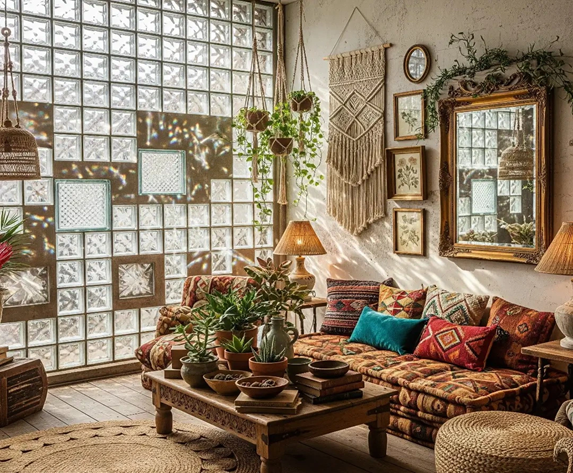
People usually notice lighting first when they walk into a room with glass brick walls installed properly. Natural light spreads differently across the space without making everything feel completely exposed from outside views. That balance keeps attracting homeowners and commercial property owners across larger cities today. Glass brick Toronto projects continue showing up in bathrooms, offices, entryways, and basement renovations more often lately.
Some older buildings now use glass block bricks Toronto suppliers provide because traditional windows create privacy issues in tighter urban neighborhoods. Frosted patterns help soften direct light while still allowing brightness inside during daytime hours. That part matters more during long winters.
Interior Dividers Do Not Always Need Full Walls
Heavy drywall sections sometimes make smaller rooms feel boxed in and darker throughout the day indoors. Glass bricks separate spaces while still letting light travel between rooms naturally and evenly. That feature becomes useful inside condos where layouts already feel limited in size.
Many contractors handling glass bricks Toronto installations recommend textured surfaces for bathrooms and shower walls specifically. Clear blocks may look cleaner initially but show fingerprints and water spots much faster later. Different patterns also change how shadows appear throughout the room during daylight hours indoors.
Moisture Resistance Still Matters Inside Busy Areas
Bathrooms, laundry spaces, and lower basement levels usually deal with higher moisture compared to regular living areas. Traditional drywall sometimes absorbs humidity slowly and develops long-term surface damage after repeated exposure. Glass blocks resist moisture much better when installation gets completed correctly from the beginning.
That explains why glass block bricks Toronto renovation companies use remain common inside spa areas and commercial washrooms today. The material itself handles humidity well, although surrounding seals still require proper maintenance over time. Water problems normally begin near framing sections first.
Design Choices Have Become Less Predictable Recently
Older homes often used glass blocks in simple square patterns without much variation in style or texture. Current designs look completely different because homeowners now mix shapes, finishes, and lighting conditions more creatively indoors. Some projects combine frosted and wave textures inside the same installation area.
Builders sourcing glass bricks and Toronto products today usually offer multiple size options depending on wall dimensions and room requirements. Smaller blocks sometimes create more visual detail, while larger ones simplify the overall appearance indoors. Lighting placement changes the final look more than expected sometimes.
Structural Support Changes the Entire Installation Process
People occasionally assume glass blocks install exactly like decorative tile or standard masonry materials indoors. Real installation takes more planning because support systems affect long-term durability and wall alignment afterward. Expansion spacing matters too, especially in areas exposed to changing temperatures throughout different seasons.
Experienced installers working with glass block bricks Toronto materials often reinforce larger wall sections carefully during construction stages. Uneven support can eventually create visible shifting or cracking near corners later. That problem becomes expensive once finishing work already gets completed around the installation.
Commercial Spaces Use Glass Blocks for Practical Reasons Too
Retail stores sometimes use glass block partitions because they separate sections without making interiors feel completely closed visually. Offices also install them near meeting rooms where privacy matters but natural lighting still improves productivity during daytime hours. Restaurants occasionally add them around entrances for similar reasons.
Architects selecting glass bricks Toronto options for commercial buildings usually compare insulation properties before ordering materials for larger projects. Some thicker blocks may help reduce outside noise depending on surrounding construction details nearby. Urban traffic noise changes product decisions more than aesthetics alone.
Conclusion
Glass block materials continue staying relevant because they combine privacy, durability, and natural light in ways many traditional wall systems still cannot match completely. Blokco.com offers practical information for property owners exploring modern glass block solutions without overly technical explanations or confusing design language online. Both residential and commercial glass block brick Toronto installations keep evolving as renovation trends focus more on open interiors with brighter environments throughout the building. Careful planning, proper support systems, and realistic maintenance expectations usually matter more than decorative appearance alone during installation projects.