

State government yojana plays a vital role in improving the lives of citizens by offering welfare schemes designed according to state-level needs.
India is a vast country where social and economic challenges change from one state to another. What works for an urban population may not work for rural communities, and what benefits one region may not suit another. This is where state governments step in with customized welfare schemes that directly address local problems. These initiatives are created after studying ground realities, making them more practical and accessible.
For many households, state welfare schemes are essential for survival and growth. A farmer protecting crops, a student continuing education, or a family managing medical expenses often depends on state-run support. Over time, these schemes have become a strong pillar of social development across India.
Understanding the Meaning of State Government Yojana
A state government yojana refers to any welfare program launched, funded, and implemented by an individual state government for its residents. These schemes are designed to address issues that are specific to that state’s population, economy, and social structure. They may cover areas such as education, healthcare, employment, housing, agriculture, and women empowerment.
Unlike central government schemes that follow a uniform structure across the country, state schemes are flexible. State authorities can modify eligibility rules, benefit amounts, and implementation methods based on local requirements. This flexibility allows a State government yojana to remain relevant and effective even when conditions change.
State governments also monitor these schemes closely through district administrations and local bodies, ensuring better accountability and faster grievance redressal.
Why State-Level Welfare Schemes Are Important for Citizens
State-level welfare schemes directly impact people’s daily lives. Because these programs are designed locally, they often reach beneficiaries faster than national schemes. Application processes are usually simpler, and local offices provide easier access to information and assistance.
These schemes also help reduce inequality within states. Marginalized communities, low-income families, women, senior citizens, and persons with disabilities receive targeted support through dedicated programs. Over time, this helps create balanced development and social stability within the state.
A well-planned State government yojana also boosts public trust in governance. When citizens see real benefits reaching their homes, confidence in government initiatives grows naturally.
Real-Life Impact of State Government Yojana
The impact of state welfare schemes can be seen clearly at the ground level. Ramesh Kumar, a small farmer from Madhya Pradesh, faced repeated crop losses due to unpredictable weather. Through a state agriculture assistance scheme, he received financial compensation and access to subsidized seeds. This support allowed him to restart farming without taking high-interest loans.
In another example, Sunita Devi, a single mother from Jharkhand, enrolled in a state-sponsored skill development program. After completing training, she received financial support to start a tailoring business. Today, she earns a stable income and supports her family independently.
Such stories highlight how a State government yojana can create long-term positive change rather than temporary relief.
Major Sectors Covered Under State Government Yojana
State welfare schemes are usually designed around key development sectors. Education schemes provide scholarships, free textbooks, uniforms, and digital learning tools for students from economically weaker sections. Healthcare programs focus on free treatment, insurance coverage, and access to quality medical facilities.
Employment-related schemes promote skill development, self-employment, and small business support. Housing programs help low-income families build or purchase affordable homes. Agriculture schemes support farmers with subsidies, crop insurance, irrigation facilities, and modern farming techniques.
Each sector-focused scheme aims to solve a specific problem, ensuring resources are used efficiently and benefits reach the intended population.
Important State Government Yojana Information Table
| Scheme Name | State | Beneficiary Group | Key Benefit | Implementing Authority |
|---|---|---|---|---|
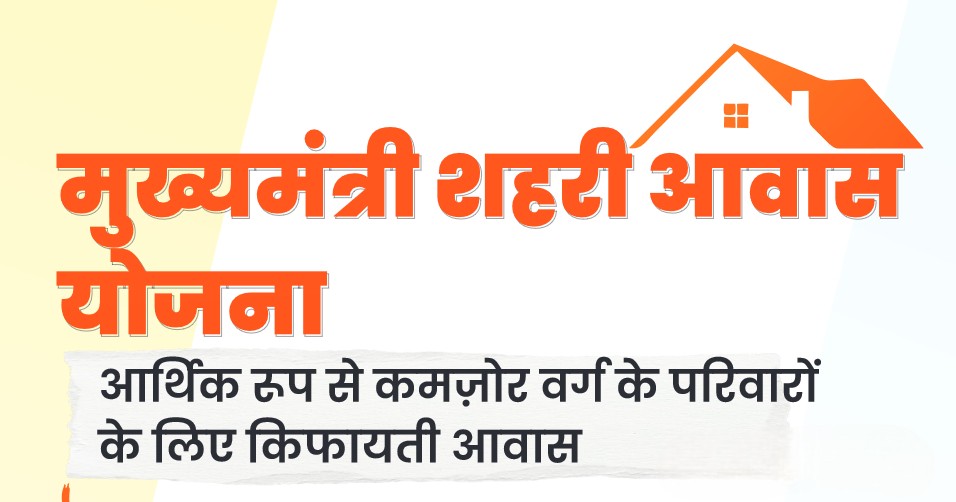
| Mukhyamantri Awas Yojana | Madhya Pradesh | Low-income families | Housing assistance | State Housing Board |
| Kanya Utthan Yojana | Bihar | Girl students | Education support | Women Development Dept |
| Amma Health Scheme | Tamil Nadu | Economically weaker citizens | Free medical treatment | State Health Dept |
| Krushak Bandhu | West Bengal | Farmers | Income support | Agriculture Dept |
| Rajiv Gandhi Yuva Rozgar Yojana | Rajasthan | Unemployed youth | Skill and job support | Skill Development Dept |
Eligibility and Application Process Explained Simply
Eligibility criteria for state schemes depend on the nature of the program. Some schemes are income-based, while others focus on age, occupation, gender, or social category. State governments usually publish clear guidelines to help citizens understand whether they qualify.
Applications can be submitted online through official state portals or offline at designated government offices. Required documents often include identity proof, residence proof, income certificate, and bank account details. Local officials assist applicants to ensure correct submission and verification.
This simplified process helps ensure that genuine beneficiaries can access a State government yojana without unnecessary delays.
Role of Digital Platforms in State Welfare Schemes
Digital technology has transformed how state schemes are implemented. Most states now operate dedicated portals where citizens can apply, track status, and receive updates about welfare programs. This has increased transparency and reduced dependency on middlemen.
Direct Benefit Transfer systems ensure financial assistance is sent directly to beneficiaries’ bank accounts. This minimizes leakage and ensures funds reach the right person. Digital records also help governments monitor scheme performance and improve service delivery.
With technology support, state welfare schemes are becoming more efficient, accessible, and trustworthy.
Challenges Faced in Implementation of State Schemes
Despite their benefits, state welfare schemes face several challenges. Lack of awareness among citizens is a major issue, especially in rural areas. Many eligible beneficiaries miss out simply because they are unaware of available programs.
Administrative delays and documentation issues can also slow down implementation. In some cases, limited resources affect timely benefit distribution. State governments continuously work on improving monitoring systems and grievance mechanisms to overcome these challenges.
Strong governance, public awareness campaigns, and digital integration are key to maximizing the impact of state welfare initiatives.
How State Government Yojana Supports Inclusive Growth
Inclusive growth means development that benefits everyone, not just a selected group. State welfare schemes play a crucial role in achieving this goal. By focusing on vulnerable sections of society, these schemes reduce social and economic gaps within the state.
Support for women, students, farmers, senior citizens, and small entrepreneurs creates opportunities for self-reliance. Over time, this leads to improved living standards and stronger local economies. A well-executed State government yojana ensures that development reaches every corner of the state.
Read also: