

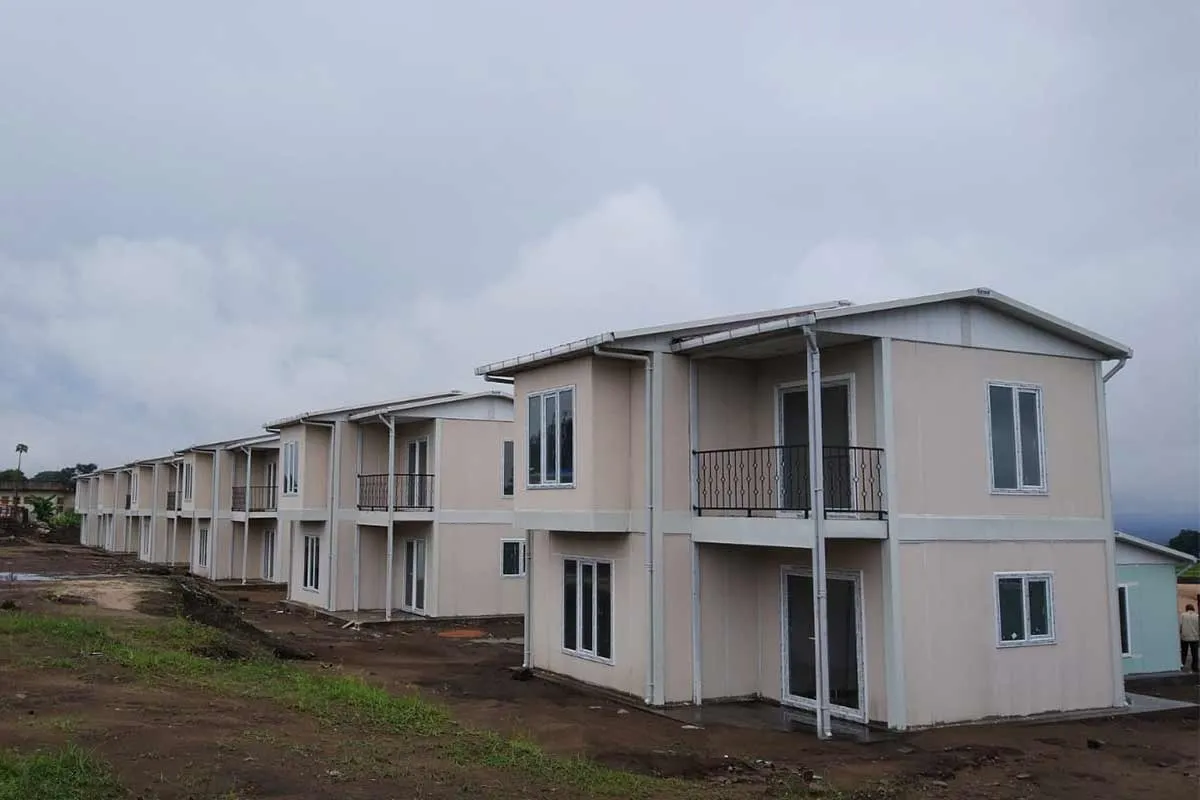
Free House Scheme is a government initiative designed to provide safe and affordable homes to underprivileged families across India. By addressing the housing needs of low-income citizens, the scheme aims to enhance living standards, improve health and sanitation, and foster social empowerment.
Many families in rural and urban areas live in temporary or unsafe structures that are vulnerable to natural calamities and lack basic amenities. The Free House Scheme provides financial assistance to construct pucca houses, ensuring security, durability, and improved quality of life for beneficiaries.
This program is not only about building houses; it is about creating a foundation for social stability, economic growth, and community well-being.
Objectives of Free House Scheme
The primary objective of the Free House Scheme is to eliminate housing inequality by offering financial assistance to those who cannot afford proper homes. The scheme supports construction or renovation of houses, providing basic amenities such as sanitation, electricity, and safe drinking water.
Another key objective is to promote rural and urban development. Construction activities generate employment opportunities for local laborers, artisans, and suppliers, boosting the economy while providing beneficiaries with secure living conditions.
By ensuring safe housing, the Free House Scheme contributes to better health outcomes, educational opportunities for children, and overall socio-economic upliftment.
Eligibility Criteria for Free House Scheme
The Free House Scheme targets families who do not own pucca houses and belong to economically weaker sections, Scheduled Castes, Scheduled Tribes, or minority communities. Priority is often given to women-headed households to promote gender equality and empowerment.
Applicants must submit proof of identity, residence, and income to local authorities. The verification process ensures that financial assistance reaches the most deserving beneficiaries.
By focusing on vulnerable groups, the Free House Scheme guarantees that assistance is provided where it is needed most, improving lives and strengthening communities.
Financial Assistance and Benefits
Under the Free House Scheme, eligible families receive direct financial aid to construct or upgrade their homes. The amount provided varies depending on the region, construction costs, and type of house but generally covers a substantial portion of expenses.
The scheme supports building pucca houses with durable materials, ensuring safety against weather and natural disasters. Some states also provide additional incentives for environmentally friendly construction and access to community facilities.
Through this financial support, the Free House Scheme ensures that beneficiaries can afford safe, secure, and modern housing without burdening their limited resources.
Implementation and Construction Process
The Free House Scheme follows a structured implementation process to ensure transparency and efficiency. Beneficiaries are registered with local authorities, and house construction plans are verified according to technical and safety standards.
Funds are transferred directly to the beneficiary’s bank account in phases, allowing for proper monitoring and ensuring funds are used appropriately. Skilled laborers and local contractors often carry out the construction, generating employment and supporting regional economic activity.
This methodical approach ensures that homes built under the Free House Scheme meet quality standards and provide long-lasting security to rural and urban families alike.
Real-Life Impact of Free House Scheme
The Free House Scheme has significantly improved the living conditions of families across India. In Bihar, a marginalized family that previously lived in a mud hut now enjoys a pucca house with electricity and sanitation, improving health and daily life.
In Maharashtra, women beneficiaries reported increased confidence and independence as they managed funds and supervised the construction of their homes. Their children could focus on education instead of dealing with unsafe living conditions.
These stories highlight how the Free House Scheme transforms lives, providing not just shelter but dignity, security, and opportunities for social advancement.
Promoting Women Empowerment
A critical aspect of the Free House Scheme is its focus on women-headed households. By making women primary beneficiaries, the scheme ensures financial control, decision-making, and empowerment are in their hands.
Women oversee construction, budget allocation, and household planning, which strengthens their role within the family and community.
By empowering women through the Free House Scheme, the government promotes gender equality, independence, and stronger rural and urban communities.
Social and Community Benefits
The Free House Scheme extends its impact beyond individual families. Improved housing contributes to better sanitation, reduced exposure to health risks, and safer environments for children.
Communities benefit from increased employment during construction, improved infrastructure, and social cohesion as families receive secure and dignified living spaces.
By addressing housing needs comprehensively, the Free House Scheme fosters community development, resilience, and a higher standard of living for all.
Awareness Campaigns and Outreach Programs
Awareness is crucial to ensuring maximum participation in the Free House Scheme. Local authorities, NGOs, and community organizations conduct campaigns to educate citizens about eligibility, application procedures, and the benefits of the scheme.
Training and workshops guide beneficiaries on fund utilization, sustainable construction practices, and maintenance of their new homes.
Through consistent outreach, the Free House Scheme ensures that every eligible family has the opportunity to access safe and affordable housing.
Digital Integration and Monitoring
The Free House Scheme leverages digital technology for transparency and efficiency. Online applications, fund transfers, and real-time tracking of construction progress help prevent delays and ensure accountability.
Beneficiaries can monitor the status of their house construction and receive updates on fund disbursement via mobile apps and government portals.
This digital integration strengthens the implementation of the Free House Scheme, ensuring timely delivery and proper utilization of resources.
Challenges and Government Measures
Despite its success, the Free House Scheme faces challenges such as delays in fund disbursement, land disputes, and ensuring construction quality.
The government addresses these issues through regular inspections, digital records, and grievance redressal mechanisms. Technical support and training ensure that houses are built according to approved standards.
These proactive measures guarantee that the Free House Scheme continues to deliver safe and sustainable housing for underprivileged families.
Future Prospects and Expansion
The future of the Free House Scheme includes expanding coverage, integrating eco-friendly building technologies, and providing additional infrastructure support such as solar power and water harvesting systems.
Efforts are underway to ensure equitable access for all eligible families, including those in remote areas, through increased awareness campaigns and digital platforms.
As the scheme evolves, the Free House Scheme will continue to transform lives, providing safe, modern, and affordable homes to millions of families across India.
Read also: