

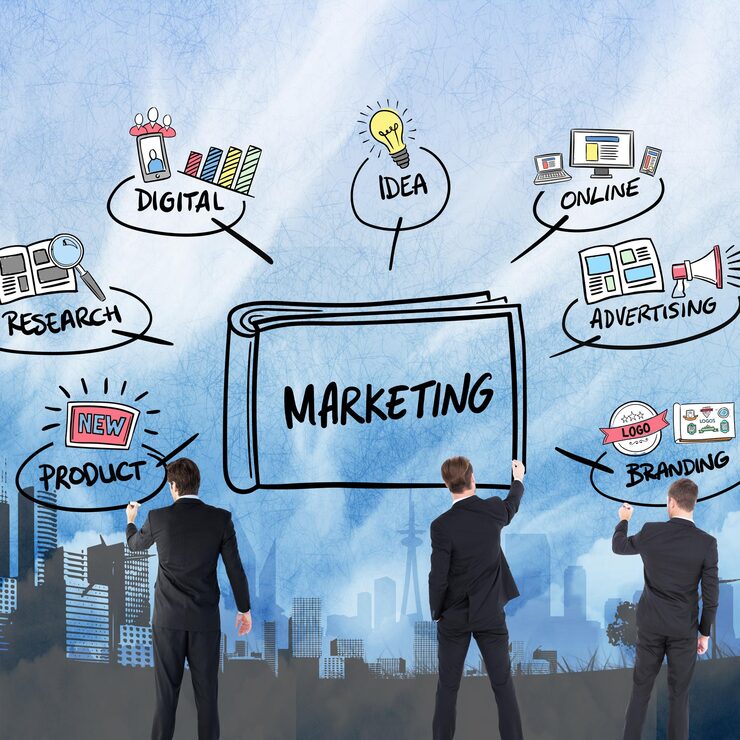
Digital marketing strategy is the backbone of modern business growth. In today’s competitive online landscape, having a clear and structured plan can make the difference between thriving and merely surviving. By combining creativity, analytics, and technology, companies can reach the right audience, optimize conversions, and build lasting customer relationships.
Implementing an effective digital marketing strategy requires understanding your target audience. Knowing their preferences, behavior, and online habits allows marketers to design campaigns that resonate. Real-life examples from brands like Coca-Cola and Nike show how audience-focused strategies drive engagement and brand loyalty, proving the power of data-driven decisions.
Understanding Your Goals and KPIs
A successful digital marketing strategy starts with clear objectives. Whether the goal is brand awareness, lead generation, or e-commerce sales, defining key performance indicators (KPIs) ensures every effort is measurable. Goals guide campaign planning, budgeting, and resource allocation. Businesses that regularly track KPIs can optimize campaigns for better performance.
For example, a startup focusing on social media may track metrics like reach, engagement, and click-through rates. By analyzing these metrics, marketers adjust content, posting times, and advertising strategies to maximize impact. Setting clear goals prevents wasted effort and aligns teams toward common objectives.
Website and SEO Optimization
Search engine optimization (SEO) is a crucial part of any digital marketing strategy. A well-optimized website improves visibility, attracts organic traffic, and establishes authority. Keyword research, meta tags, content structure, and backlink strategies are essential components. Websites that prioritize SEO experience higher rankings, increased traffic, and better user engagement.
Companies like HubSpot emphasize content creation aligned with SEO trends to achieve long-term growth. Integrating SEO with quality content ensures that your audience finds valuable information while search engines recognize your site as credible and relevant.
Social Media Marketing
Social media platforms play a pivotal role in a strong digital marketing strategy. Platforms like Instagram, Facebook, LinkedIn, and TikTok allow businesses to interact with their audience directly. Engaging content, contests, and influencer collaborations can boost visibility and drive conversions. Social listening tools help understand audience sentiment and improve campaign effectiveness.
Real-life campaigns, such as Starbucks’ personalized content strategy, demonstrate how social media can humanize brands and foster customer loyalty. Businesses that maintain consistent posting schedules and authentic interactions build trust and credibility in their markets.
Content Marketing
Content marketing complements a digital marketing strategy by providing value to the audience. Blogs, videos, infographics, and podcasts help educate, entertain, and inspire potential customers. High-quality content not only attracts traffic but also nurtures leads through the sales funnel. Storytelling and real-life case studies strengthen audience connection and engagement.
For instance, Airbnb uses storytelling to showcase unique travel experiences, making their brand relatable and aspirational. Effective content marketing requires consistency, audience understanding, and creativity to stand out in crowded digital spaces.
Email Marketing and Automation
Email marketing is an essential tool in a complete digital marketing strategy. Personalized emails, newsletters, and automated sequences keep audiences engaged and informed. Automation tools help segment customers, deliver timely messages, and measure campaign success. Properly executed email campaigns increase customer retention and drive repeat business.
Brands like Amazon excel in personalized email recommendations, encouraging cross-selling and repeat purchases. Integrating email marketing with other channels ensures a cohesive and effective strategy that maximizes ROI.
Paid Advertising and PPC Campaigns
Pay-per-click (PPC) campaigns are an effective component of a robust digital marketing strategy. Platforms like Google Ads and Facebook Ads allow precise targeting, budget control, and measurable results. Paid campaigns provide immediate traffic and complement organic strategies for faster growth. Continuous monitoring and optimization ensure cost-effectiveness.
Companies like Shopify leverage PPC for product launches, targeting users based on interests, search behavior, and demographics. Successful campaigns rely on careful keyword selection, ad design, and landing page optimization.
Analytics and Continuous Improvement
Analytics is the cornerstone of a successful digital marketing strategy. Using tools like Google Analytics, marketers track user behavior, conversions, and engagement. Regular analysis identifies strengths, weaknesses, and opportunities. Continuous improvement ensures campaigns remain effective despite evolving trends.
Real-life examples show businesses adjusting strategies based on data insights, resulting in increased ROI and customer satisfaction. Tracking metrics such as bounce rate, session duration, and conversion paths enables precise adjustments for maximum impact.
Influencer and Affiliate Marketing
Integrating influencer and affiliate marketing strengthens a digital marketing strategy by leveraging trusted voices in the industry. Collaborations with influencers increase reach and credibility, while affiliate programs drive targeted traffic and sales. This approach builds social proof and enhances brand reputation among niche audiences.
For example, fashion brands often partner with micro-influencers to showcase products authentically. Tracking affiliate conversions ensures that partnerships are profitable and aligned with business goals.
Mobile Optimization and User Experience
Optimizing for mobile devices is essential for any digital marketing strategy. Mobile-friendly websites, fast load times, and intuitive navigation improve user experience and reduce bounce rates. Considering mobile usage trends ensures campaigns reach audiences where they spend most of their time online.
Brands like Netflix prioritize mobile UX to retain subscribers and improve engagement. A seamless mobile experience enhances overall satisfaction, boosts conversions, and reinforces brand loyalty.
Emerging Technologies
Incorporating emerging technologies strengthens a future-ready digital marketing strategy. Artificial intelligence, chatbots, AR/VR experiences, and voice search enhance personalization and engagement. Staying updated with trends ensures competitiveness and allows businesses to experiment with innovative approaches to attract and retain audiences.
Real-world examples include Sephora using AR for virtual try-ons, improving customer experience and driving sales. Early adoption of technologies helps brands remain ahead in a rapidly changing digital landscape.
Read also:
lakers vs dallas mavericks stats
thesparkshop earbuds
5148789942
18552195933