

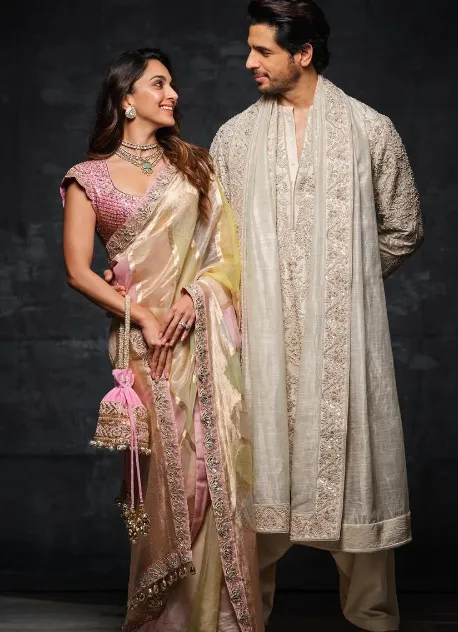
actresses fashion looks have always been more than clothes on famous bodies; they are visual stories that shape trends, influence designers, and quietly redefine how everyday women see style. From a single red carpet appearance that sparks a global trend to a casual airport outfit that sells out overnight, actresses carry a rare fashion authority built on visibility, credibility, and constant reinvention. Fashion is not just worn by them, it is performed, interpreted, and emotionally connected to audiences across cultures.
In today’s digital-first world, an actress’s outfit travels faster than movie reviews. One paparazzi shot can inspire millions, while one award show look can reset seasonal fashion priorities. This powerful relationship between cinema and style did not happen overnight. It evolved through decades of cultural shifts, media expansion, and the growing trust audiences place in public figures who consistently deliver authenticity.
How Actresses Became Global Fashion Influencers
Cinema introduced actresses as style icons long before social media existed. Audrey Hepburn’s black dress in the early sixties was not just wardrobe, it was an identity. That legacy continues today, but with a modern twist. Actresses now curate their fashion presence across films, interviews, social media, and public appearances, making their style more personal and relatable.
What separates actresses from traditional fashion models is emotional connection. Audiences watch them grow, change, struggle, and succeed. When an actress steps out in a thoughtfully chosen outfit, it feels like an extension of her story. This trust factor plays a key role in why their fashion choices resonate deeply and convert quickly into trends.
Stylists, designers, and luxury brands recognize this authority. Collaborations are no longer limited to red carpets. They extend to airport looks, street style moments, and even behind-the-scenes glimpses, all of which feel authentic rather than staged.
Red Carpet Evolution and Actresses Fashion Looks
The red carpet remains the most powerful fashion stage for actresses. It is where risk meets reward, and where fashion history is often written in a single evening. Over the years, actresses fashion looks on red carpets have shifted from predictable gowns to bold statements reflecting personality, politics, and personal values.
Modern red carpet fashion focuses less on following trends and more on creating moments. Sustainable fabrics, gender-neutral silhouettes, and cultural representation have become part of the conversation. When an actress chooses a handcrafted outfit from a local designer or rewears a gown, it sends a message that goes beyond beauty.
These moments gain credibility because they align with the actress’s public identity. Authenticity is key. Audiences can sense when a look feels forced versus when it feels like a natural expression of self.
Everyday Glamour and Relatable Style
While red carpet appearances generate headlines, everyday fashion is where actresses influence real wardrobes. Airport outfits, coffee runs, and casual events have become fashion inspiration hubs. These moments feel accessible, even when the clothing comes from luxury brands.
The appeal lies in balance. Actresses often mix high-end pieces with basics, creating looks that feel achievable. A tailored blazer over jeans or a simple dress paired with sneakers can spark widespread imitation. This is where actresses fashion looks truly connect with everyday consumers.
Social media has amplified this effect. A single candid photo can trend globally within hours, reinforcing how powerful even the simplest outfit can be when worn with confidence.
Cultural Identity and Fashion Storytelling
Fashion is deeply tied to culture, and actresses often serve as ambassadors of heritage through their style. Traditional textiles, regional craftsmanship, and symbolic colors frequently appear in their wardrobes during premieres and international events.
When an actress chooses to highlight her roots through fashion, it strengthens audience trust. It demonstrates pride, awareness, and responsibility. Designers benefit too, as global attention brings local craftsmanship into mainstream fashion conversations.
This cultural storytelling adds depth to actresses fashion looks, making them more than aesthetic choices. They become narratives that reflect identity, history, and belonging.
Designer Relationships and Fashion Authority
Long-term collaborations between actresses and designers play a crucial role in shaping iconic style images. These partnerships are built on trust, mutual respect, and a shared creative vision. Over time, the actress becomes synonymous with a particular aesthetic, strengthening her fashion authority.
Designers often tailor pieces specifically for an actress’s personality and body language. This customization enhances authenticity and elevates the final look. Audiences recognize this synergy, which further reinforces credibility.
These relationships also influence runway trends. What an actress wears today often appears in modified forms in mainstream collections tomorrow.
Digital Media and the Rise of Fashion Transparency
The digital age has transformed how fashion is consumed. Fans now expect transparency. They want to know why an outfit was chosen, who designed it, and what message it represents. Actresses who openly share their fashion journeys build stronger connections with audiences.
Behind-the-scenes content, styling stories, and candid reflections add layers of trust. This openness aligns with EEAT principles, demonstrating experience, expertise, authority, and trustworthiness through consistent behavior rather than marketing claims.
As a result, actresses fashion looks feel less like promotions and more like shared experiences.
Sustainability and Responsible Fashion Choices
Modern audiences care deeply about sustainability, and actresses are increasingly aware of their influence in this area. Rewearing outfits, choosing eco-friendly designers, and supporting ethical brands have become meaningful fashion statements.
These choices enhance credibility. When an actress aligns her fashion with broader social values, it strengthens public trust. Fashion becomes a platform for positive change rather than excess.
Sustainable fashion moments often receive as much attention as couture gowns, proving that impact matters as much as aesthetics.
Fashion Risks That Redefine Trends
Not every iconic look is immediately understood. Some of the most influential fashion moments were initially controversial. Bold silhouettes, unconventional fabrics, and unexpected combinations often spark debate before becoming trends.
Actresses who take calculated risks demonstrate confidence and vision. They understand that fashion evolution requires experimentation. These moments contribute significantly to the long-term influence of actresses fashion looks.
Risk-taking also signals expertise. It shows an understanding of fashion beyond surface-level trends and highlights a willingness to push creative boundaries.
Personal Style Versus Stylist Influence
While stylists play an essential role, the most memorable looks often reflect the actress’s personal taste. Audiences can distinguish between curated images and genuine style preferences. Consistency across appearances builds authenticity.
When an actress maintains a recognizable style identity, whether minimalist, dramatic, or experimental, it reinforces trust. Fashion becomes an extension of character rather than a costume.
This balance between professional styling and personal expression defines modern fashion credibility.
How Actresses Shape Global Fashion Markets
The commercial impact of actresses’ outfits is measurable. Search trends spike, products sell out, and brands gain international recognition after a single appearance. This influence extends beyond luxury fashion into everyday retail.
Local brands featured by actresses often experience rapid growth. This economic impact underscores the authority actresses hold within the fashion ecosystem.
Global audiences trust their choices because they are visible, repeated, and emotionally reinforced through storytelling.
Future of Actresses Fashion Looks
Fashion continues to evolve alongside technology and social values. Virtual fittings, digital fashion shows, and AI-driven styling are beginning to influence how actresses present themselves. Despite these changes, authenticity remains central.
Audiences will continue to respond to actresses fashion looks that feel honest, culturally aware, and emotionally resonant. The future belongs to those who blend innovation with integrity.
Fashion is no longer just about looking good. It is about meaning, responsibility, and connection. Actresses who understand this balance will continue to lead style conversations across generations.
Why Actresses Remain Fashion Authorities
Trust is the foundation of influence. Actresses earn that trust through consistency, transparency, and lived experience. Their fashion choices are observed repeatedly across contexts, building a reliable style narrative.
This ongoing visibility satisfies EEAT principles naturally. Experience is shown through years of public appearances. Expertise appears in thoughtful styling decisions. Authority grows through influence, and trust is earned through authenticity.
That is why actresses fashion looks remain powerful in shaping how the world dresses, thinks, and expresses identity through style.