

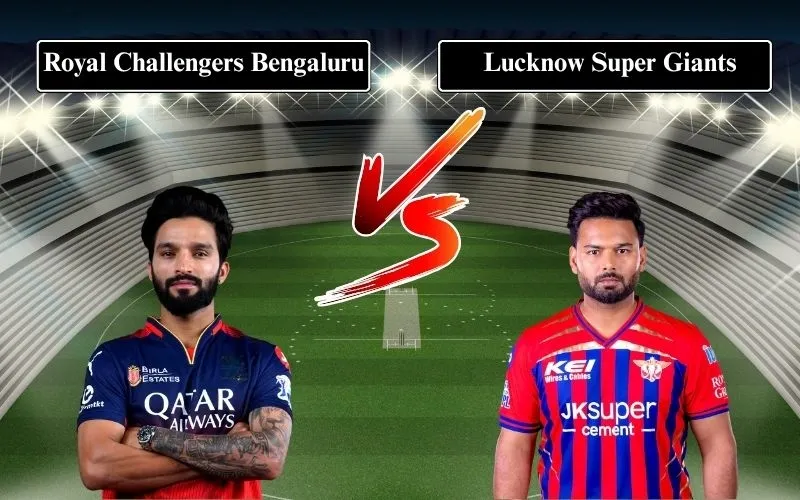
A cricket scorecard gives a compact view of what actually happened during a match. cricketstatking.com can help readers follow cricket scorecards, batting numbers, bowling figures, partnerships, innings totals, and important match statistics in a simpler way. A scorecard may look crowded at first because many numbers appear together, but most sections follow a fairly clear system once the basic terms become familiar.
Cricket has several formats, and each format produces slightly different scorecard patterns. Test matches can contain two innings for each side, while One Day International matches generally contain one innings per team, and T20 matches also have one innings each with a much shorter playing period.
The scorecard is useful because a final result alone does not explain how the match developed. A team might win comfortably after a strong opening partnership, or another side might lose despite producing an excellent bowling performance during the middle overs.
Looking at the scorecard gives more information than simply knowing which team won the match. It shows runs, wickets, overs, boundaries, strike rates, economy rates, extras, partnerships, and other details that help explain the result.
Understanding The Main Scorecard
The main scorecard normally begins with the batting information for one team. Each batter is listed along with the number of runs scored, balls faced, boundaries, and other relevant figures.
The dismissal information is also important because it explains how a batter left the innings. Common dismissal types include bowled, caught, lbw, run out, stumped, and hit wicket.
A batter who remains unbeaten at the end of an innings is usually marked with an asterisk beside the score. That small symbol matters because it tells readers that the player was still at the crease when the innings finished.
At the bottom of the batting section, the scorecard normally provides the team’s total. This can include the number of wickets lost and the number of overs completed.
For example, a score such as 245/7 means the team scored 245 runs while losing seven wickets. The number after the slash does not represent overs because overs are shown separately.
Batting Numbers Tell More
Runs are obviously one of the first numbers people look for on a cricket scorecard. However, runs alone do not show how efficiently a batter performed.
The balls faced figure provides additional context because it shows how many deliveries were used to make those runs.
A batter scoring 70 runs from 50 balls has played a very different innings from someone scoring 70 runs from 95 balls. Both players have identical run totals, but their scoring speed is quite different.
Strike rate helps make that comparison easier, especially in limited-overs cricket.
The basic batting strike-rate calculation uses runs divided by balls faced and multiplies the result by 100. A higher strike rate generally indicates faster scoring, although the ideal number depends heavily on the match situation and format.
A batter’s boundaries also provide useful information because fours and sixes show how much of the scoring came from attacking shots.
How Dismissals Appear
Dismissal details can sometimes seem confusing to new cricket followers. The scorecard usually provides a short description rather than a long explanation.
When a batter is caught, the name of the fielder and bowler may appear. When a batter is bowled, the bowler’s name normally appears with the dismissal.
Run outs work differently because the dismissal can involve fielders rather than being credited to the bowler.
Not every dismissal is treated the same way when calculating bowling statistics.
For example, bowlers are generally credited with wickets for dismissals such as bowled, caught, lbw, stumped, and hit wicket, while run outs are not credited as wickets to the bowler.
Understanding this distinction becomes useful when comparing bowling performances.
Extras Add Important Runs
Extras are runs that do not belong directly to the batter’s individual score. They can still make a major difference to the final team total.
Common extras include wides, no-balls, byes, and leg byes. Some scorecards may also show penalty runs when applicable.
A wide occurs when a delivery is judged too far from the batter to be legally playable within the relevant conditions. A no-ball occurs when the bowler breaks certain delivery rules.
Byes and leg byes are different because the runs are not credited to the batter.
Extras can become especially important in close matches. A team that gives away too many extras can effectively provide its opponent with additional scoring opportunities without requiring batters to hit boundaries.
The extras section therefore deserves attention rather than being treated as a minor detail.
Bowling Figures Need Context
The bowling section normally includes overs, maidens, runs conceded, wickets, and economy rate.
These figures are commonly written in a compact format such as 8-1-34-3. This means the bowler delivered eight overs, bowled one maiden, conceded 34 runs, and took three wickets.
Economy rate shows how many runs the bowler conceded per over on average.
A bowler who takes wickets but gives away many runs may have a very different impact from someone who takes fewer wickets while maintaining tight control.
The match situation also matters greatly. A bowler working during the final overs may naturally concede more runs because batters are attacking aggressively.
Numbers should therefore be read alongside the stage of the innings and the match situation.
Overs Are Counted Differently
Cricket overs can cause confusion because the number system does not work exactly like normal decimal counting.
Six legal deliveries make one completed over. A scorecard showing 7.3 overs does not mean seven and three-tenths overs.
Instead, 7.3 means seven completed overs plus three legal deliveries from the next over.
This distinction matters when calculating bowling figures or analyzing remaining deliveries.
If a bowler has delivered 7.3 overs, they have bowled 45 legal balls. The next legal delivery would make the figure 7.4, followed by 7.5, and then the completion of the over would produce 8.0.
Understanding this system makes many scorecard calculations much easier.
Partnerships Show Team Progress
Partnership statistics can reveal important details that individual scores sometimes hide.
A partnership represents the runs scored between two batters while they are together at the crease.
A team may lose early wickets but recover through a large middle-order partnership. Another team might begin strongly because its opening pair produces a substantial stand.
Partnership information can help identify which periods changed the direction of an innings.
A 120-run partnership in a Test match has a different meaning from a 120-run partnership in a T20 match because the number of available overs and expected scoring rates are different.
The scorecard therefore becomes more informative when partnerships are considered alongside individual batting numbers.
Powerplay Numbers Matter
In limited-overs cricket, powerplay periods can have a major influence on the innings.
Fielding restrictions during these overs can create opportunities for aggressive batting, while bowling teams often try to take early wickets before the field spreads out.
A scorecard may not always present every powerplay detail prominently, but the runs and wickets during the opening overs can be checked through over-by-over information when available.
A strong powerplay can provide momentum for the rest of an innings.
However, losing several wickets early can put pressure on the middle order even if the run rate looks reasonable.
The scorecard helps identify whether an opening period was genuinely productive or simply appeared strong because of a few boundaries.
Middle Overs Require Balance
The middle overs are often about maintaining scoring without losing too many wickets.
Batters may rotate the strike, target favorable matchups, and attack selected deliveries rather than attempting a boundary on every ball.
Bowlers often try to restrict singles while creating pressure through changes in pace, line, length, and field placement.
A scorecard can reveal this balance through run rates, wickets, and partnership numbers.
A team that scores steadily through the middle may create a strong platform for the final overs.
On the other hand, repeated wickets during this phase can significantly reduce the team’s ability to accelerate later.
Final Overs Can Change Everything
The final overs of a limited-overs innings often produce rapid scoring.
Batters may attempt more aggressive shots, while bowlers use slower deliveries, yorkers, bouncers, and other variations to control the scoring.
Sixes and fours can quickly change the total, but wickets during this period can also stop the acceleration.
A scorecard showing a strong final total should therefore be examined alongside the last few overs.
For example, a team may score only modestly during the first half before adding a large number of runs late in the innings.
That pattern tells a different story from a side that scores consistently throughout the entire innings.
Chase Information Helps
When the second team bats, the scorecard becomes especially useful for understanding the required target.
If the first team scores 210 runs, the chasing side normally needs 211 to win when there are no special adjustments.
The required run rate changes as wickets fall and overs disappear.
In limited-overs cricket, analysts often compare the current scoring rate with the required scoring rate to understand whether the chase is under control.
A team might be ahead of the required rate but have lost several wickets, creating a different kind of pressure.
Scorecards provide the raw numbers needed to understand these changing situations.
Fall Of Wickets Matters
The fall-of-wickets section shows when wickets were lost and the team’s score at each dismissal.
This information can reveal the structure of an innings quickly.
Suppose a team loses wickets at 25, 28, 31, and 35 runs. That pattern suggests an early collapse.
Another team might lose its first wicket at 100 and its second at 180, indicating that the top order provided a much stronger foundation.
Fall-of-wickets information is particularly useful when reviewing a match after it has finished because it shows exactly when the batting side lost control.
It can also help explain why a seemingly competitive total became difficult to defend.
Test Match Scorecards Differ
Test cricket scorecards can appear more complicated because both teams may bat twice.
Each innings is normally displayed separately, making it possible to compare the first and second innings performances.
A batter might score a century in the first innings and another fifty in the second. A bowler may also have separate figures across different innings.
Follow-on situations can create additional scorecard details.
Test scorecards also provide useful information about lead and deficit. If the first batting side scores 400 and the second team scores 300, the second team has a deficit of 100 runs after its first innings.
These details are important because Test matches develop over several days rather than being decided within a few hours.
T20 Scorecards Move Quickly
T20 scorecards usually contain fewer overs, but every delivery can have greater importance.
Batters often aim for aggressive scoring from the beginning because only 120 legal deliveries are available in a complete innings.
A few overs with a high run rate can significantly change the required target.
Bowling economy also becomes important because conceding several runs in one over can create immediate pressure.
At the same time, wickets are extremely valuable because a collapse can prevent a team from using its strongest hitters effectively.
A T20 scorecard should therefore be read with both scoring speed and wickets in mind.
Comparing Players Fairly
Scorecards make player comparisons easier, but raw numbers should not be interpreted without context.
A batter scoring 50 runs from 35 balls may have a different impact from someone scoring 50 from 50 balls.
Similarly, a bowler taking four wickets for 25 runs has produced a different performance from a bowler taking four wickets for 60 runs.
Opposition quality, pitch conditions, match stage, and team requirements can also influence statistics.
Numbers are most useful when they answer a specific question.
Instead of simply asking who scored the most runs, a better question might be which batter scored quickly while protecting wickets during an important stage.
Reading The Match Summary
A good scorecard often includes a short match summary showing the winner, margin, venue, date, and major performances.
The summary provides the quick answer, while the detailed scorecard provides the evidence behind that result.
Readers can start with the final result and then move toward batting, bowling, partnerships, and fall-of-wickets information.
This creates a clearer picture without requiring every number to be examined immediately.
For regular cricket followers, learning this approach can make scorecards much easier to understand.
The most useful statistics are usually the ones that explain why the match developed in a particular direction.
Why Scorecards Remain Useful
Video highlights show exciting moments, but scorecards preserve the complete statistical record.
A highlight package might show a spectacular six or a crucial wicket, while the scorecard shows how many runs were scored across the entire innings.
This makes scorecards valuable for fans, analysts, journalists, fantasy cricket followers, researchers, and anyone comparing performances.
They also provide a quick reference after the match has ended.
Even years later, a scorecard can show exactly how many runs a player scored, how many wickets a bowler took, and what the final team totals were.
That permanent statistical record is one reason scorecards remain central to cricket coverage.
Final Thoughts On Cricket Scorecards
A cricket scorecard contains much more information than the final score displayed at the top of a match page. Batting runs, balls faced, strike rates, dismissals, extras, partnerships, bowling figures, economy rates, fall of wickets, and innings totals all contribute to understanding the match properly.
The format also matters because Test cricket, ODI cricket, and T20 cricket have different scoring patterns and tactical demands.
Once the basic sections become familiar, even a detailed scorecard becomes easier to read.
The best way to understand cricket statistics is to connect numbers with match situations. A high strike rate, economical bowling spell, long partnership, or sudden collapse can each explain an important part of the result.
Keep following reliable cricket statistics, compare performances with proper context, and use detailed scorecards to understand the game beyond the final result.
Read also :-
pakistan national cricket team vs netherlands national cricket team match scorecard
india national cricket team vs netherlands national cricket team match scorecard
sri lanka national cricket team vs australia national cricket team match scorecard