

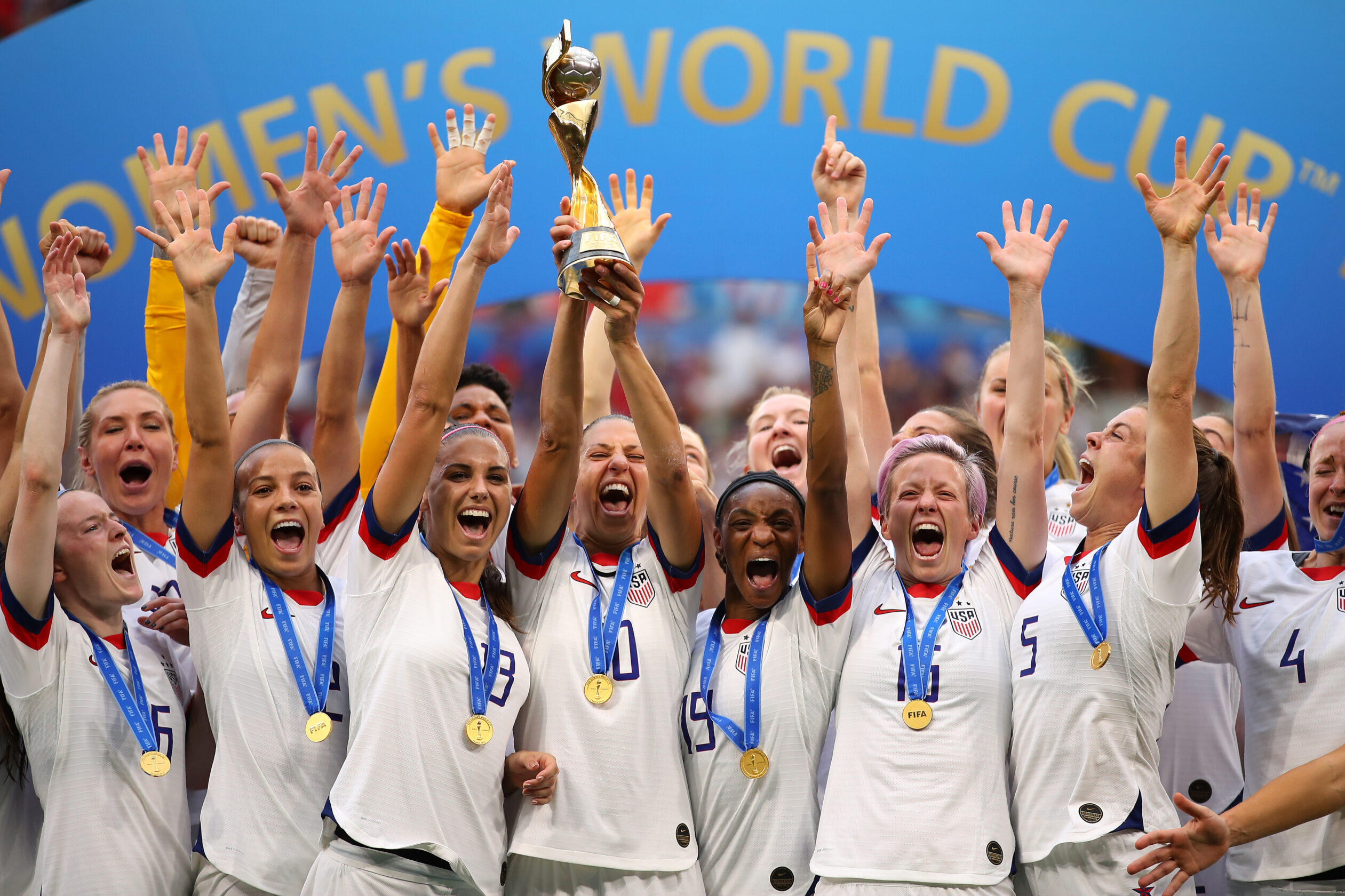
Women’s World Cup surge has become one of the most inspiring stories in modern sports. What was once a tournament overshadowed by its male counterpart has now grown into a global spectacle, capturing the hearts of millions and rewriting the narrative of women’s football. From packed stadiums to record-breaking TV audiences, the rise of the Women’s World Cup is nothing short of extraordinary.
The Beginning of a Movement
The Women’s World Cup started in 1991 with modest expectations. Few could have predicted that decades later, it would become one of the most-watched sporting events in the world. The early editions were marked by limited coverage and smaller crowds, but the passion of the players and the dedication of fans laid the foundation for what would become a Women’s World Cup surge unlike any other.
Breaking Records and Shattering Barriers
The 2019 Women’s World Cup in France was a turning point. Over one billion viewers tuned in globally, proving that women’s football had arrived on the biggest stage. Stadiums were filled with fans waving flags, chanting songs, and celebrating goals with the same intensity seen in men’s tournaments. This surge was not just about numbers—it was about recognition, respect, and the validation of women athletes who had long fought for equality.
Women’s World Cup Surge in Popularity
The latest editions have shown how far the game has come. Sponsorship deals, media coverage, and grassroots programs have all expanded dramatically. Young girls now grow up dreaming of playing in front of packed stadiums, inspired by stars like Megan Rapinoe, Alex Morgan, Sam Kerr, and Marta. The Women’s World Cup surge has created role models who transcend sport, becoming cultural icons and advocates for change.
Real-Life Stories of Inspiration
Take the example of Brazil’s Marta, often called the greatest female footballer of all time. Her journey from humble beginnings to becoming a global superstar embodies the spirit of the Women’s World Cup. Similarly, the U.S. Women’s National Team’s fight for equal pay became a rallying cry that extended beyond football, sparking conversations about gender equality in workplaces worldwide. These stories show that the surge is not just about football—it’s about empowerment.
The Global Impact of Women’s World Cup Surge
Countries that once overlooked women’s football are now investing heavily in it. Nations like England, Spain, and Australia have seen massive growth in domestic leagues, fueled by the visibility of the World Cup. In Africa and Asia, federations are beginning to prioritize women’s programs, recognizing the potential to inspire future generations. The ripple effect of the Women’s World Cup surge is evident in every corner of the globe.
Challenges That Still Remain
Despite the progress, challenges persist. Pay disparities, limited resources in some regions, and cultural barriers continue to hinder growth. Yet, the momentum of the Women’s World Cup has made it harder for these issues to be ignored. Fans, players, and organizations are demanding change, and the pressure is mounting on governing bodies to deliver.
Technology and Media Driving the Surge
Social media has played a crucial role in amplifying the Women’s World Cup. Highlights, interviews, and behind-the-scenes content reach millions instantly, creating a deeper connection between players and fans. Streaming platforms and broadcasters now compete for rights, ensuring that matches are accessible worldwide. This digital revolution has accelerated the Women’s World Cup surge, making it a truly global phenomenon.
The Emotional Side of the Surge
For fans, the Women’s World Cup is more than just football—it’s a celebration of resilience, diversity, and unity. Families attend matches together, young girls wear jerseys of their favorite stars, and communities rally behind their national teams. The emotional energy in stadiums is palpable, proving that the surge is not just statistical but deeply human.
Looking Ahead: The Future of Women’s Football
With each edition, the Women’s World Cup grows stronger. FIFA has pledged increased investment, and federations are expanding youth programs to nurture talent. The dream is that one day, women’s football will stand on equal footing with men’s, not just in popularity but in opportunity. The Women’s World Cup surge is paving the way for that future, ensuring that the next generation of players will inherit a sport that values them fully.
Read also:
kerala blasters vs jamshedpur fc lineups
northeast united fc vs mohun bagan super giant lineups
real oviedo vs fc barcelona lineups
inter miami vs fc porto lineups