

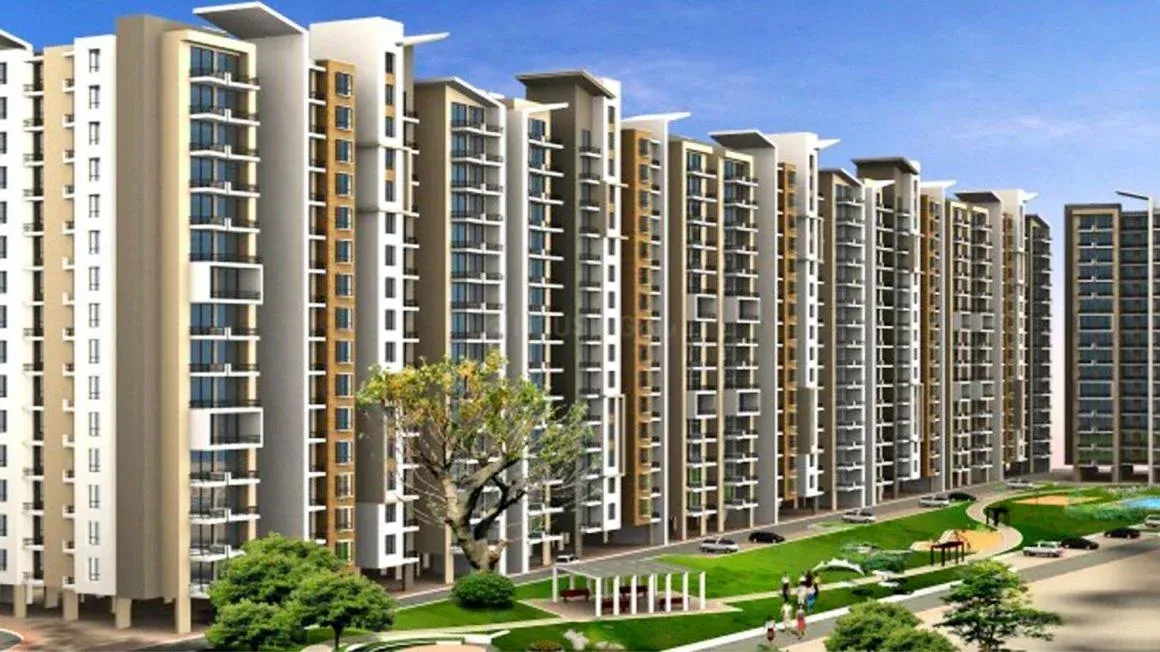
Affordable housing projects are transforming the way cities grow and communities thrive. In a world where property prices continue to rise faster than incomes, access to safe and budget-friendly homes has become one of the most pressing social and economic challenges.
For many working families, homeownership feels like a distant dream. Rent consumes a large portion of monthly income, leaving little room for savings or future planning. This is where strategic housing initiatives step in. When designed and implemented correctly, they offer dignity, stability, and long-term opportunity.
Across both developing and developed nations, governments and private developers are investing in scalable solutions. These projects are not just about constructing buildings. They are about building futures.
Why Affordable Housing Projects Matter More Than Ever
Rapid urbanization is reshaping global demographics. Cities are expanding, and employment opportunities draw people from rural areas to metropolitan hubs. However, housing supply often fails to keep up with demand.
This imbalance drives up property prices and rental rates. Affordable housing projects address this gap by creating regulated pricing structures that serve middle- and lower-income groups.
Beyond providing shelter, stable housing improves health outcomes, education access, and employment consistency. Research consistently shows that families with secure housing experience better financial stability and overall well-being.
Housing is not just infrastructure. It is the foundation of social mobility.
The Economic Impact of Affordable Housing Projects
When cities invest in housing accessibility, the benefits ripple through the economy. Construction activities generate employment. Local businesses gain new customers. Infrastructure development stimulates further growth.
Programs like Pradhan Mantri Awas Yojana have demonstrated how targeted subsidies and incentives can accelerate homeownership for millions.
Well-structured Affordable housing projects also stabilize rental markets by increasing supply. This reduces speculative price surges and supports balanced urban expansion.
In many cases, every dollar invested in housing yields multiple dollars in economic return through job creation and consumer spending.
Designing Inclusive Communities
Affordable housing should never mean compromised quality. Modern planning emphasizes livability, safety, and access to essential services.
Successful Affordable housing projects integrate schools, healthcare centers, parks, and public transport connections. Residents benefit from holistic community development rather than isolated apartment blocks.
Developers increasingly adopt mixed-income models. By blending various income groups within one development, communities avoid economic segregation.
Thoughtful urban design ensures dignity and equal opportunity for all residents.
Public-Private Partnerships Driving Affordable Housing Projects
Governments alone cannot solve housing shortages. Collaboration with private developers is essential.
Public-private partnerships provide financial incentives such as tax breaks, land grants, or subsidized loans. In return, developers commit to constructing housing units at regulated prices.
Organizations like World Bank actively support global housing initiatives by offering funding and advisory services.
Through cooperation, Affordable housing projects become financially viable while maintaining social objectives.
Sustainable Design in Affordable Housing Projects
Sustainability is no longer optional. Energy-efficient designs reduce long-term costs for residents and minimize environmental impact.
Solar panels, natural ventilation systems, and water conservation technologies are increasingly incorporated into modern developments.
Green building guidelines promoted by U.S. Green Building Council encourage developers to combine affordability with environmental responsibility.
Forward-thinking Affordable housing projects recognize that sustainability and cost-efficiency can coexist.
Addressing Urban Density Challenges
As cities expand vertically, land scarcity becomes a critical issue. High-density developments provide a practical solution.
Mid-rise and high-rise housing complexes maximize land usage while maintaining open community spaces.
Urban planners in cities like Singapore have demonstrated how compact, efficient housing can maintain high living standards.
Strategic Affordable housing projects optimize land without sacrificing comfort or accessibility.
Financing Models Supporting Affordable Housing Projects
Innovative financing mechanisms are essential for long-term success.
Subsidized interest rates, microfinance options, and flexible repayment structures help low-income families access home loans.
In India, public sector banks like Housing and Urban Development Corporation play a significant role in supporting housing finance initiatives.
Sound financial planning ensures that Affordable housing projects remain sustainable rather than temporary relief measures.
Overcoming Social Stigma
One challenge often overlooked is the perception associated with affordable housing.
Historically, low-cost housing was associated with poor construction quality or social segregation. Modern developments are challenging that narrative.
High-quality architecture, landscaped public areas, and integrated community services are redefining public perception.
Today’s Affordable housing projects emphasize dignity, aesthetics, and community pride.
Technology Transforming Affordable Housing Projects
Construction technology is reducing costs and improving efficiency.
Prefabricated materials, modular construction techniques, and digital project management tools speed up development timelines.
These innovations lower expenses while maintaining structural integrity.
Technology-driven Affordable housing projects demonstrate how innovation can enhance accessibility.
Rural and Semi-Urban Housing Initiatives
Housing challenges are not limited to major cities. Rural and semi-urban regions also require structured planning.
Affordable homes in these areas support local economic growth and reduce migration pressure on metropolitan cities.
Programs focusing on decentralized development ensure balanced national growth.
Well-executed Affordable housing projects create opportunities beyond urban centers.
Social Impact Stories
Consider a single mother who struggled with rising rents in a major city. Through a government-subsidized housing initiative, she secured a stable apartment near her workplace.
With reduced housing expenses, she could invest in her child’s education and save for the future.
This personal transformation illustrates how Affordable housing projects extend beyond infrastructure. They create lasting generational impact.
Regulatory Framework and Policy Support
Strong policy frameworks ensure accountability and transparency.
Land acquisition regulations, pricing caps, and quality standards protect buyers and maintain affordability.
Urban development authorities play a critical role in monitoring compliance.
Policy-backed Affordable housing projects build trust among citizens and investors alike.
Balancing Affordability with Profitability
Developers must balance social responsibility with financial sustainability.
Efficient design, bulk material procurement, and streamlined approvals reduce costs.
By optimizing operations, builders can maintain reasonable profit margins without inflating prices.
Balanced economics ensure the continuity of Affordable housing projects over time.
Global Lessons in Affordable Housing Projects
Countries around the world have adopted diverse approaches to address housing shortages.
In Europe, cooperative housing models empower residents to co-own developments. In Asia, government-led initiatives dominate.
Learning from global best practices strengthens domestic strategies.
Cross-border collaboration enhances the effectiveness of Affordable housing projects worldwide.
The Role of Infrastructure in Housing Success
Transportation, water supply, electricity, and digital connectivity determine project viability.
Housing located far from essential services often struggles to retain residents.
Integrated planning ensures seamless connectivity and improved quality of life.
Comprehensive Affordable housing projects align residential units with broader infrastructure planning.
Encouraging Community Participation
Engaging residents in planning processes improves outcomes.
Community feedback helps identify local needs, cultural preferences, and design priorities.
Participatory development builds stronger neighborhoods.
Inclusive decision-making enhances the long-term sustainability of Affordable housing projects.
Future Outlook for Affordable Housing Projects
Urban populations will continue to grow, increasing housing demand.
Climate resilience, smart technology integration, and inclusive financing will shape the next generation of developments.
Governments, developers, and global institutions must collaborate continuously.
The continued evolution of Affordable housing projects will define the future of equitable urban living.
Housing remains one of the most powerful tools for social and economic transformation. By focusing on accessibility, sustainability, and community integration, cities can create environments where opportunity is not limited by income level.
Read also :-